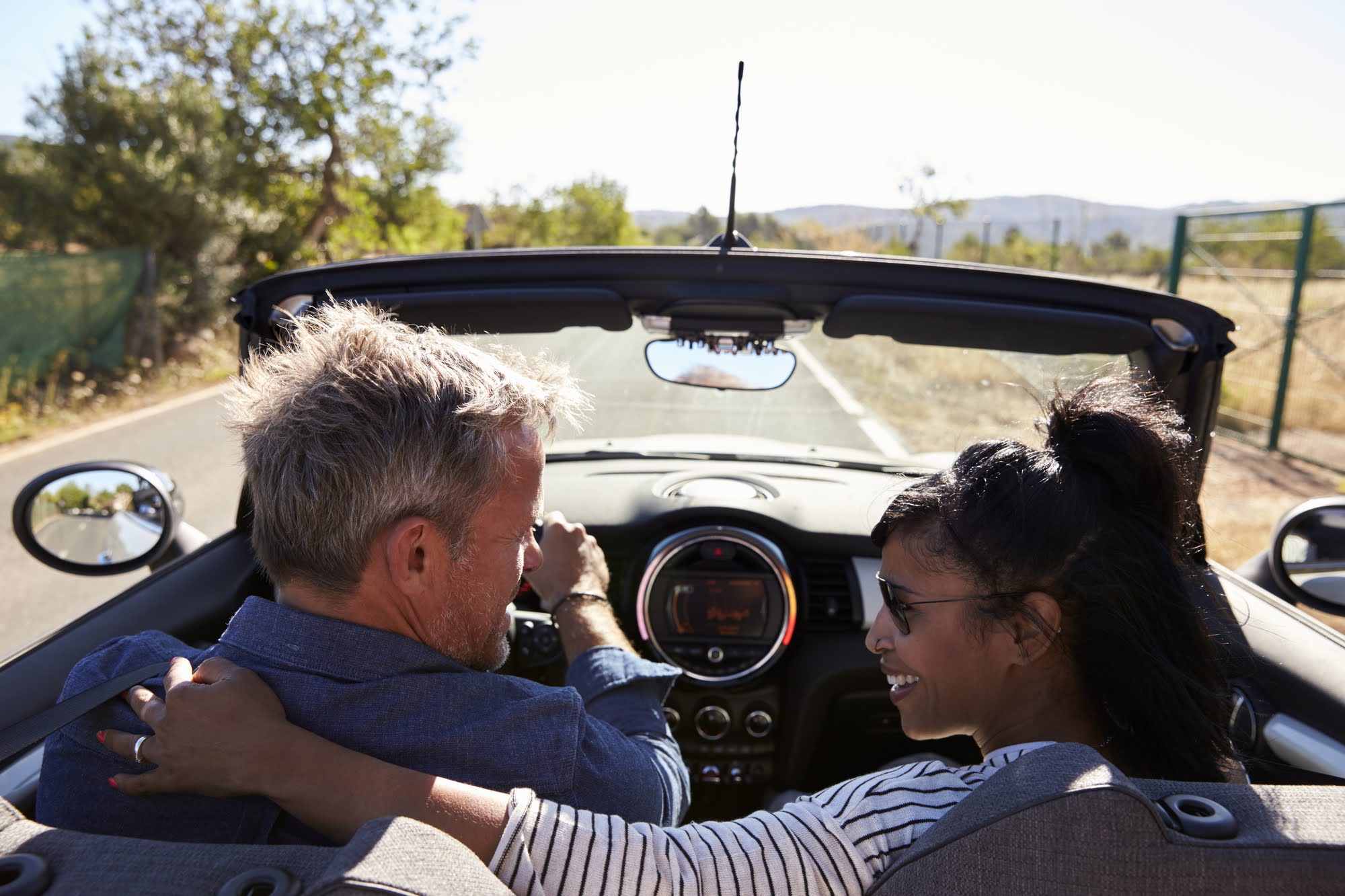
There’s something quietly rebellious about tossing a bag in the back seat, pointing the car toward the horizon, and deciding the rest as you go. No rigid itineraries. No pre-booked restaurants. Just you, the open road, and the kind of freedom that’s getting harder to find. Spontaneous road trips aren’t reckless — they’re actually one of the most rewarding ways to travel, as long as you go in with a loose framework and an open mind.
Why Spontaneous Road Trips Are Worth It
Planned vacations have their place, but they can sometimes feel like work — researching, booking, comparing reviews, and then measuring every experience against expectations. A spontaneous road trip flips that dynamic entirely. When you have no fixed plan, every roadside diner feels like a discovery, every detour becomes an adventure, and every unexpected viewpoint is a small miracle you didn’t schedule.
Beyond the romance of it, spontaneous travel also tends to lead you somewhere more authentic. You’re not following a listicle — you’re following curiosity, local recommendations, and sometimes just the pull of a road that curves toward something beautiful.
Before You Leave: The Loose Framework
Spontaneous doesn’t mean unprepared. A few simple steps before you pull out of the driveway will save you from unnecessary headaches on the road.
- Know your general direction. You don’t need a destination, but picking a compass point — north, toward the desert, along the coast — gives you a starting shape to fill in as you go.
- Check your vehicle basics. Tire pressure, oil, coolant, and a working spare should be confirmed before any road trip, planned or otherwise. Nothing kills spontaneity like breaking down without the basics covered.
- Pack light but smart. A change of clothes, a reusable water bottle, snacks, a portable charger, and a paper map (yes, still useful in dead zones) will carry you a long way. Leave room in the bag — you’ll want space for anything you pick up along the way.
- Have a rough budget in mind. Even loose travelers benefit from knowing approximately how many nights they’re comfortable spending on the road and what they’re willing to spend per day. This keeps the trip relaxed rather than anxiety-inducing.
Embracing the Art of the Detour
The best moments on any road trip tend to happen when you follow a sign that says something interesting, pull over for a view that wasn’t in any guide, or stop for coffee in a small town you’d never have found otherwise.
Give yourself permission to be slow. Spontaneous road trips aren’t about covering distance — they’re about what happens in between. If a dirt road looks promising and it’s safe to explore, take it. If a local recommends a swimming hole, a canyon walk, or a pie at a specific diner two towns over, trust them.
The key mindset shift is from “getting there” to “being here.” The drive itself is the point.
How to Find Places to Stay Without Booking Ahead
Accommodation without reservations sounds stressful, but with a little flexibility, it’s usually manageable outside of major holidays or peak weekends.
- Small towns are your friend. Motels and locally owned inns in smaller towns rarely fill up mid-week and often have a charm that chain hotels can’t match.
- Have a backup app ready. A few last-minute booking apps allow you to search availability within a radius of your current location. A quick check around mid-afternoon gives you time to adjust course if things are tight.
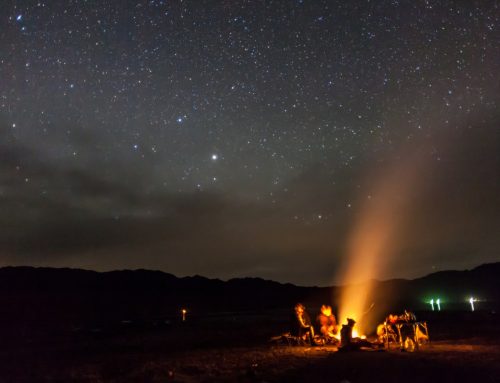
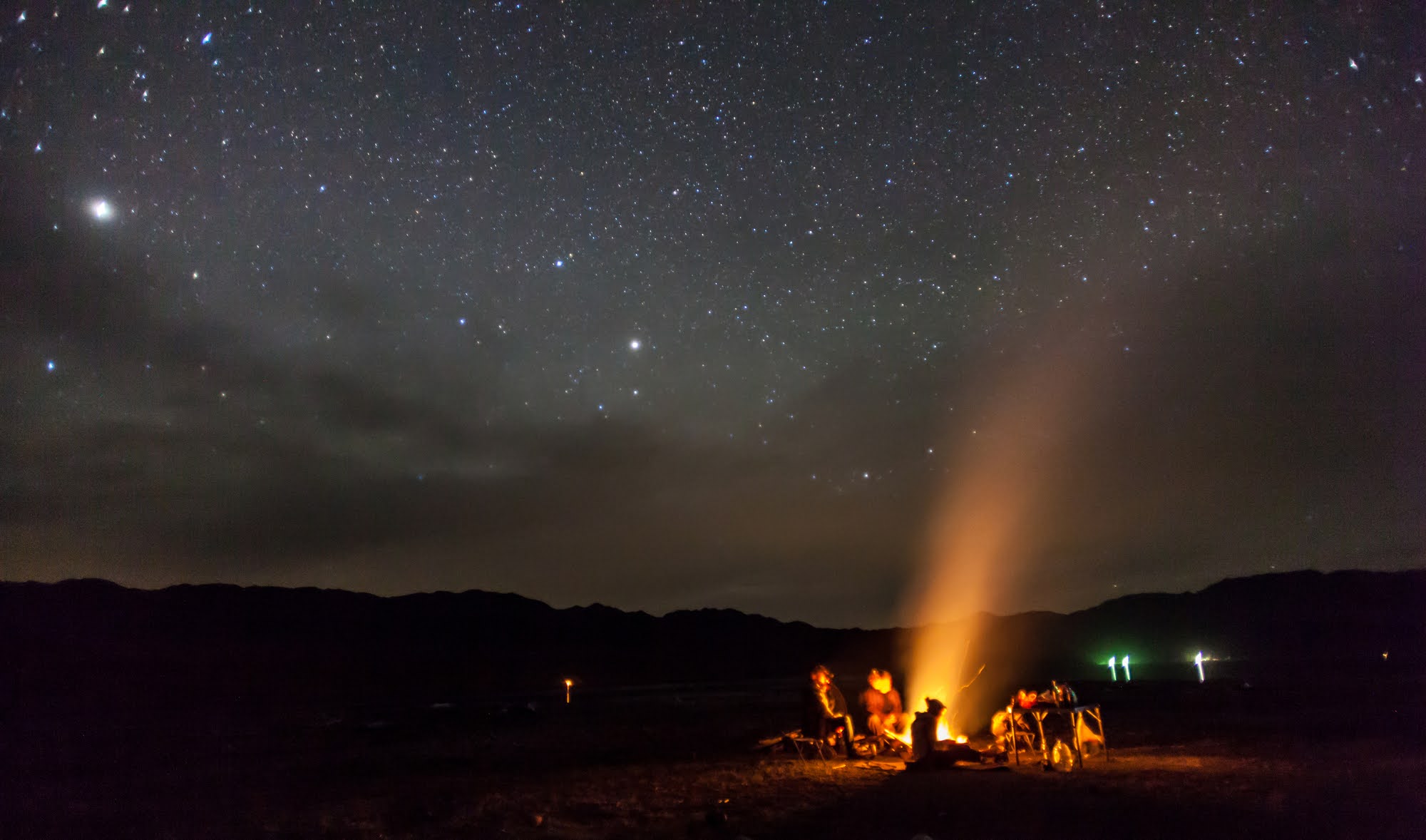
- Consider alternative lodging. Campgrounds, dispersed public lands, and roadside rest stops can fill gaps in a pinch. Many travelers find that sleeping under the stars becomes one of their favorite memories of a trip they didn’t plan.
Nevada Scenic Drives Worth Pulling Over For
Nevada doesn’t always get the scenic credit it deserves. Most people speed through on the interstate, missing the vast, layered beauty that sits just off the beaten path. But slow down, and the state reveals itself as one of the most visually striking in the American West.
The northeastern part of the state is particularly underappreciated. Wide-open valleys give way to dramatic mountain ranges, and the quality of silence out here is something you can actually feel. The region surrounding the Ruby Mountains offers some of the most striking high-desert scenery in the country — stark, rugged, and completely unhurried. The Ruby Crest Trail, which traverses this range, is a stunning example of how raw and beautiful this part of Nevada truly is, and the drives leading to and through the area are equally worthy of your time.
Along many of Nevada’s back highways, you’ll find hot springs, canyon overlooks, and long stretches where the road seems to disappear into the mountains. These are drives best done without a podcast — just the scenery and the occasional hawk circling overhead.
If your road trip brings you through this corner of the state, budget extra time. You’ll want it.
Staying Safe on an Unplanned Route
Freedom and safety aren’t mutually exclusive. A few habits will keep your spontaneous trip enjoyable from start to finish.
- Tell someone your general direction. Even a vague “heading toward the Nevada desert for a few days” is enough for someone to know where to start looking if needed.
- Keep your gas tank at least half full in remote areas. Gas stations can be far apart in rural stretches of the West. The rule of thumb is to fill up when you can, not when you’re running low.
- Download offline maps before you go. Cell service disappears in beautiful places. An offline map can be the difference between a scenic shortcut and getting turned around on a forest service road.
- Check weather and road conditions. A quick morning check before setting out helps you avoid getting caught in flash flood areas or mountain passes that close unexpectedly.
Let the Road Take You Somewhere Real
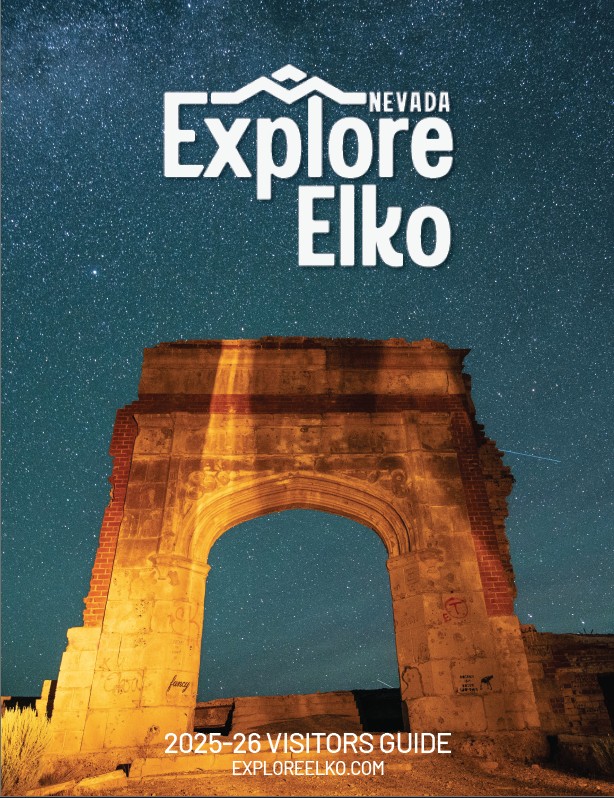
If any of this has you reaching for your keys, consider pointing your trip toward northeastern Nevada. The region around Elko is exactly the kind of place that rewards slow, curious travelers — a genuine Western town surrounded by mountain wilderness, hot springs, and wide-open high-desert roads that most people drive past without knowing what they’re missing.
Explore Elko is a great starting point for trip ideas if you want a loose outline before heading out. Whether you’re passing through or making it a destination, the area offers the kind of honest, unscripted experience that spontaneous road trips are made for. Visit our website when you’re in the planning mood — or even after you’ve already left.
Frequently Asked Questions
Do I need to have a destination before leaving on a spontaneous road trip?
Not at all. Having a general direction or region in mind is helpful, but a fixed destination isn’t required. Many of the best trips take shape as you go.
How do I handle food on an unplanned trip?
Pack basic snacks for the car and rely on small-town diners, local markets, and roadside stands for meals. Eating where locals eat is usually cheaper, more interesting, and more memorable than sticking to chain restaurants.
What if I get lost?
Getting a little lost is part of the experience. That said, having an offline map downloaded before you leave can help you reorient without needing cell service. Embrace the detour — some of the best finds happen off the planned route.
Is it safe to travel without hotel reservations?
In most regions, yes — especially outside peak travel seasons and major holidays. Mid-week travel in rural areas rarely requires advance booking. Having a backup booking app on your phone gives you a safety net if options are limited.
How long should a spontaneous road trip last?
There’s no right answer. A single overnight trip can scratch the itch just as well as a week-long journey. Start with a weekend if you’re new to it, and extend from there once you find your rhythm.