
There’s something undeniably magical about an outdoor wedding. The open sky, the natural light, the fresh air, and the outdoor atmosphere all creates a vibe that no ballroom can replicate. But nature doesn’t follow a wedding timeline, and the couples who enjoy the most unforgettable outdoor celebrations are the ones who planned for everything.
Whether you’re dreaming of a mountain ceremony, a meadow reception, a small gathering on the beach or a sunset among wildflowers, this guide will help you plan an outdoor wedding that’s beautiful and ready for whatever the day brings.
Start With the Right Mindset
The first step in planning an outdoor wedding isn’t choosing a venue or a color palette; it’s adjusting your expectations. Outdoor weddings come with variables that indoor events simply don’t have: weather shifts, insects, uneven terrain, noise, and lighting changes throughout the day.
That doesn’t mean outdoor weddings are harder. It means they require a different kind of preparation. Couples who embrace flexibility tend to have a far more enjoyable planning experience (and wedding day) than those who try to control every detail. Build your plan around your vision, then build your backup plan around reality.
Choose a Venue With Infrastructure in Mind
Not all outdoor venues are created equal. When touring potential locations, look beyond the scenery and ask practical questions: Is there a covered structure or tent pad available? Are there nearby restrooms or facilities for guests? Is the ground level enough for guests with mobility needs? Is there access to electricity and running water?
A venue that already has some infrastructure (even something simple like a pavilion or a permanent structure) gives you far more flexibility when it comes to weather contingency planning.
Wedding Venues in Elko, Nevada
If you’re drawn to dramatic, wide-open landscapes, then Elko, Nevada, is worth serious consideration. Nestled in the heart of the Great Basin, Elko offers a striking backdrop of mountain ranges and authentic Western character that’s hard to find anywhere else.
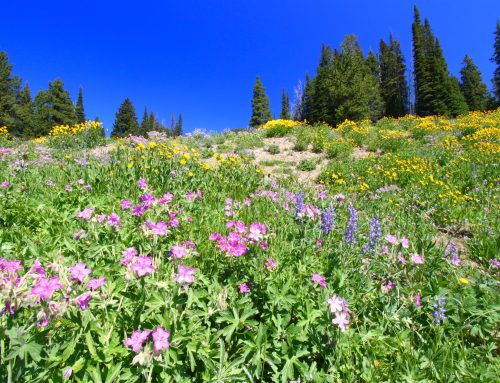
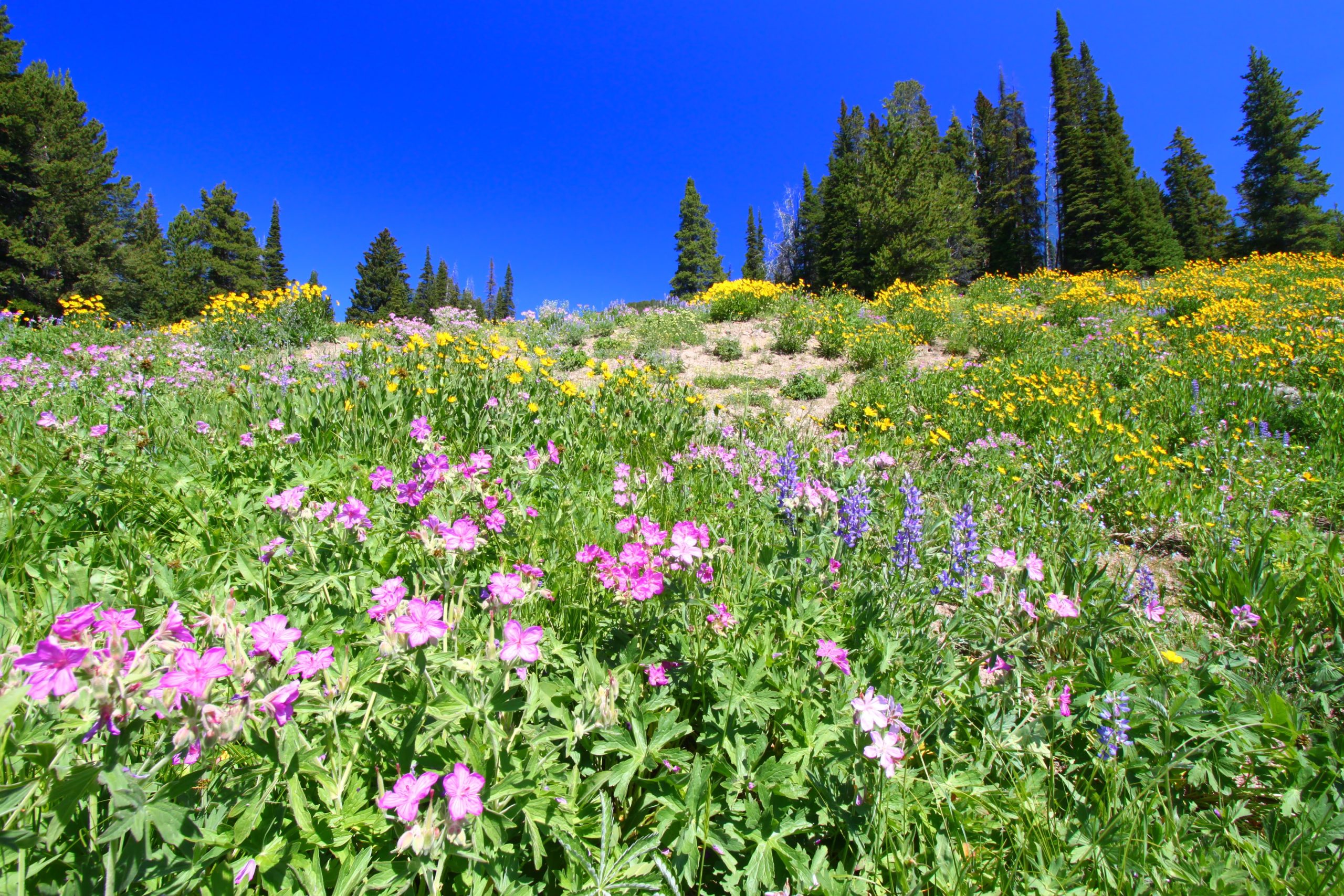
The region surrounding the Ruby Mountains (including trails like the Ruby Crest Trail) offers some of the most breathtaking alpine scenery in the American West. Imagine exchanging vows with those rugged peaks in the distance, or hosting a sunset reception as the light shifts across the basin floor.
Elko’s event venues are accustomed to hosting everything from intimate gatherings to larger celebrations, and the area’s unique character means your wedding photos will look like nothing else. The wide-open terrain also gives you natural spacing and a sense of grandeur that’s difficult to replicate in more built-up areas.
If you’re exploring Elko as a destination wedding location, reaching out to local venue coordinators early in your planning process is a smart move. They’ll know the weather patterns and the logistics far better than any outside planner.
Build a Weather Contingency Plan
This is non-negotiable for outdoor weddings. You need a Plan B, and ideally, you need it locked in before you send out invitations.
A solid weather contingency plan includes a secondary covered or indoor space and a clear decision timeline for when you’ll make the call to switch plans. Create a communication strategy to let guests know quickly if plans change. Work with your venue coordinator to understand what options are available and what triggers the backup plan.
Renting a tent is one of the most popular solutions. A quality tent can transform an outdoor space into a semi-protected environment while still maintaining that open, airy feeling. Make sure the tent includes sidewalls in case of wind or rain, and consider a flooring option if the ground is likely to be muddy.
Time Your Ceremony Wisely
The timing of your ceremony has more impact on your outdoor wedding than almost any other decision. Mid-afternoon events in warm climates can be brutal for guests standing in direct sunlight. Early morning ceremonies can be cool and dewy but logistically demanding.
The sweet spot for most outdoor weddings is late afternoon into early evening. The light is soft and golden and temperatures are typically more comfortable. Additionally, the transition into an evening reception feels natural. Keep your local sunset time in mind when building your timeline.
Think About Guest Comfort
Your guests are the people you love most. Plan the day with their comfort in mind. For warm-weather outdoor weddings, think about shade structures, handheld fans, water stations, and sunscreen. For cooler evenings, blanket baskets or a fire feature can make the space feel cozy and welcoming.
If your venue involves any walking (especially across uneven terrain), give guests a heads-up in advance so they can dress appropriately. A simple note on your wedding website about footwear can prevent a lot of frustration.
Don’t forget about sound. Outdoor spaces don’t have the acoustic benefits of enclosed rooms. Work with your DJ or live musicians to ensure everyone can hear the ceremony and toasts clearly. A good sound system is worth every penny.
Work With Vendors Who Know Outdoor Events
Not every vendor has experience with the unique demands of outdoor events. When interviewing vendors, ask directly about their outdoor wedding experience. A photographer who knows how to work with natural light and shifting conditions will deliver very different results than one who’s used to shooting in studios or banquet halls.
The same applies to caterers. Outdoor food service requires different equipment and food safety protocols than indoor events. Ask about their setup process and how they handle unexpected weather.
Embrace the Unexpected
Even with the best planning, something will go off-script. A cloud will roll in. The flowers will wilt faster than expected. A speaker will squeak. That’s not a disaster, that’s a wedding.
The couples who look back on their outdoor wedding with pure joy are almost always the ones who decided in advance to roll with it. Your guests aren’t there to judge the logistics. They’re there to celebrate you. When things go sideways, lean into each other and laugh, as those moments often become the stories you’ll tell for decades.
Ready to Explore Your Outdoor Wedding Options?
If Elko, Nevada, has caught your attention as a destination wedding location, it’s worth learning more about what the area has to offer. From the rugged beauty of the Ruby Mountains to the warm hospitality of a genuine Western community, Elko has a character that destination wedding couples tend to fall in love with quickly.
To start a conversation about venues and event spaces in the area, visit our website to connect with people who know the area and can help you figure out whether Elko is the right fit for your celebration.
Whatever you choose, the most important ingredient in any outdoor wedding is simple: a couple who’s ready to enjoy the day, whatever it brings.
Frequently Asked Questions
What’s the most important thing to plan first for an outdoor wedding?
Your weather contingency plan and your venue infrastructure. Everything else (catering and entertainment, for example) is easier to figure out once you know you have a solid backup plan in place.
How far in advance should I book an outdoor venue?
Popular outdoor venues book quickly, especially for peak wedding seasons. Starting your search well over a year in advance gives you the most options. Destination areas like Elko, Nevada, may have more flexibility, but local expertise is still invaluable.
What should guests wear to an outdoor wedding?
That depends on your venue and climate, but giving guests guidance is always appreciated. A note on your wedding website about terrain, temperature expectations, and footwear recommendations goes a long way.
Is a tent worth the cost?
For most outdoor weddings, yes, especially if your date falls in a season with unpredictable weather. A tent gives you peace of mind and keeps your guests comfortable regardless of conditions.
Can outdoor weddings work for large guest counts?
Absolutely. The key is choosing a venue with enough space, adequate parking, and the infrastructure to support your guest count comfortably. Larger outdoor weddings typically require more coordination around media and guest flow.