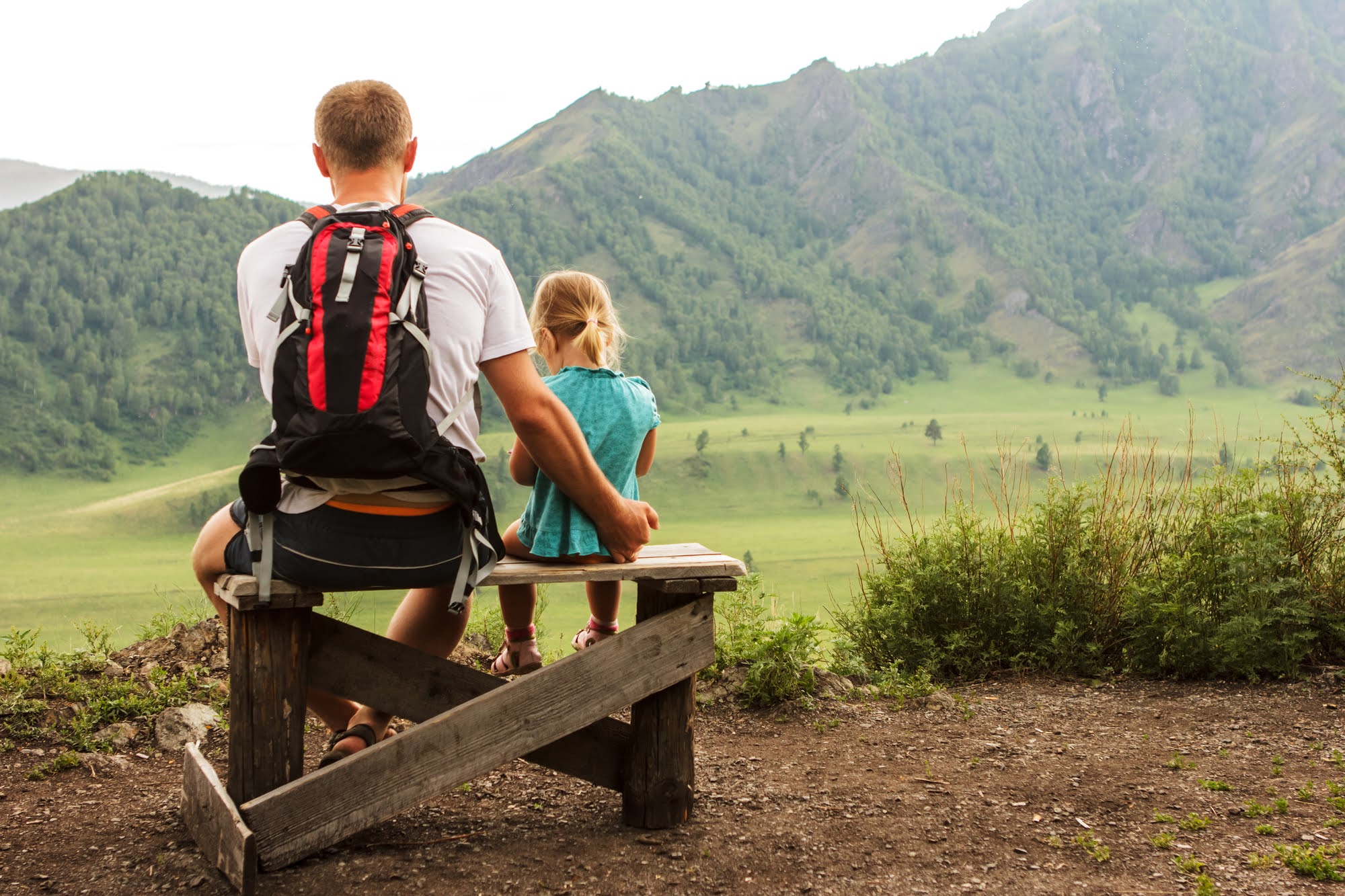
Spring break is one of the most anticipated times of year — a golden window of warm weather, blooming landscapes, and the freedom to step outside and breathe in the fresh air. Whether you are planning a family getaway, an adventure trip with friends, or a solo escape into nature, the great outdoors offers something for everyone. This guide covers the best outdoor activities to make the most of your spring break, from mountain trails to water adventures and everything in between.
Why Spring Break Is the Perfect Time to Get Outdoors
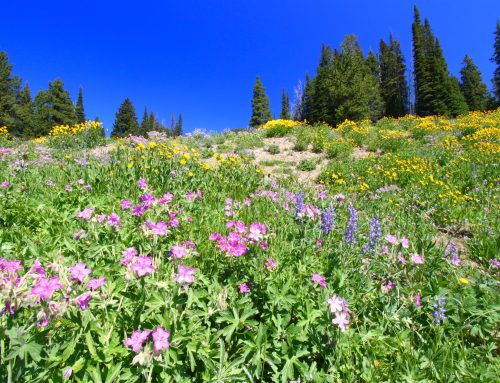
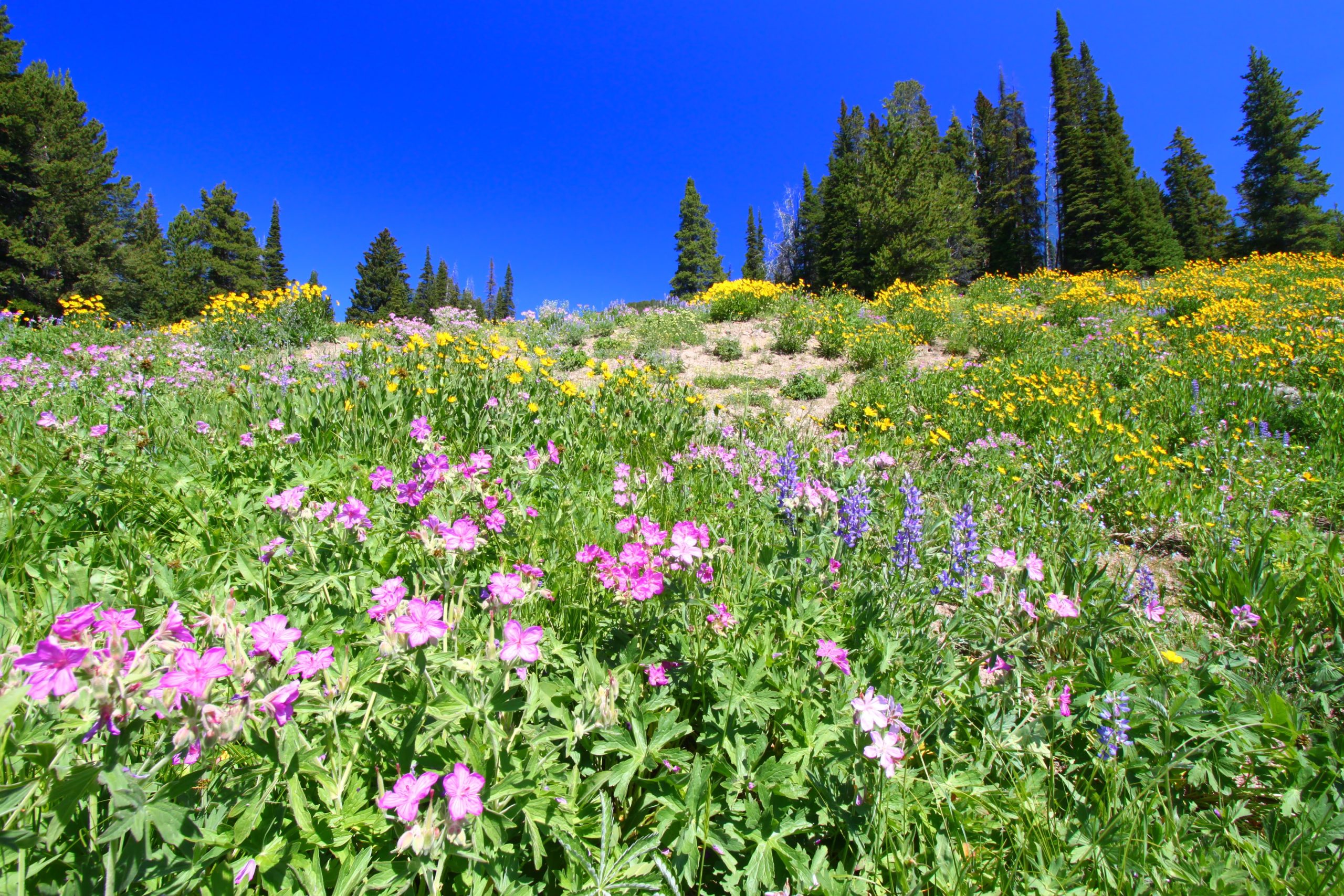
Spring sits in a sweet spot between the harsh cold of winter and the blazing heat of summer. Temperatures are generally mild, wildflowers are beginning to bloom, and trails that may have been inaccessible during colder months are starting to open up again. Wildlife is active, rivers are running, and daylight hours are growing — making it an ideal season to explore the natural world.
Beyond the weather, spring break provides a mental reset. Spending time in nature reduces stress, boosts mood, and improves overall well-being. Trading screen time for green time during spring break can leave you feeling recharged and ready to take on whatever comes next.
Top Outdoor Activities to Try This Spring Break
Hiking and Trail Exploration
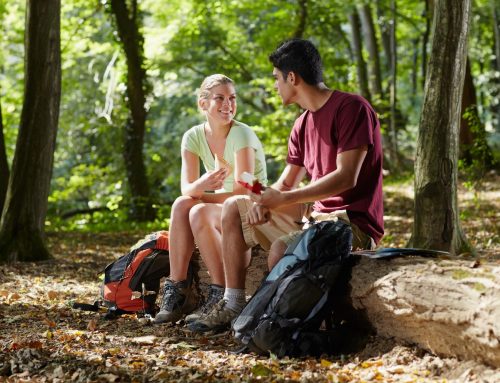
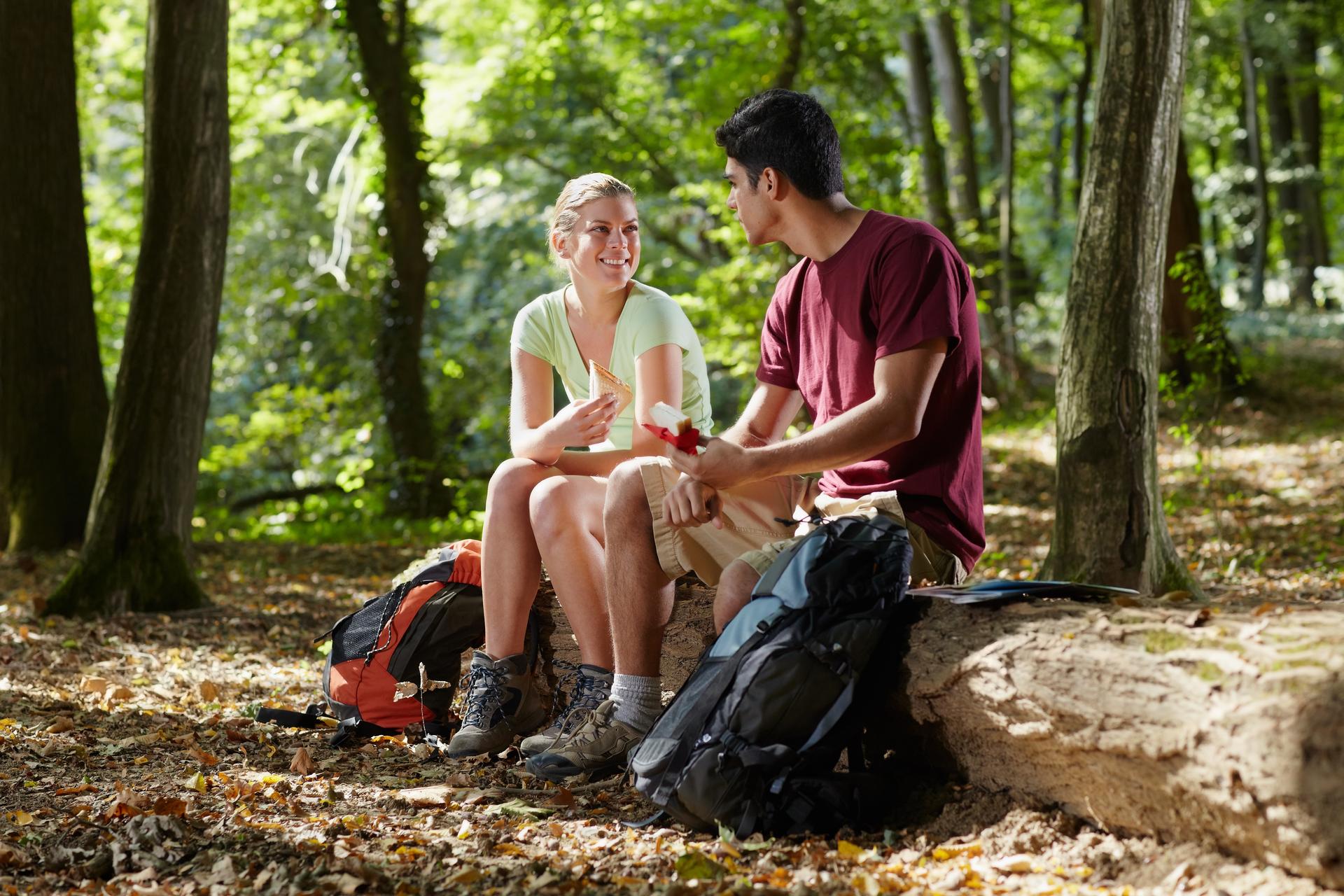
Hiking is one of the most accessible and rewarding outdoor activities you can enjoy over spring break. Trails range from flat, easy walks to challenging backcountry climbs, meaning there is a route for every fitness level. Spring is especially scenic — snowmelt feeds rushing streams, meadows come alive with color, and mountain views are crystal clear before summer haze sets in.
For those looking to take their hiking to the next level, consider planning a multi-day backpacking trip. Packing light and spending nights under the stars adds a whole new dimension to the outdoor experience. Whether you prefer forested trails, desert landscapes, or alpine terrain, spring hiking offers some of the most spectacular scenery of the year.
One standout destination for serious hikers is Ruby Mountain hiking in Nevada, which draws outdoor enthusiasts from across the region who want to experience dramatic peaks, pristine wilderness lakes, and rugged backcountry terrain that feels truly remote.
Camping and Stargazing
Camping during spring break gives you the chance to fully disconnect and immerse yourself in nature. Choose from frontcountry campgrounds with amenities for families or dispersed backcountry sites for a more primitive experience. Spring nights are cool and clear, making them some of the best for stargazing. Areas away from city lights offer breathtaking views of the Milky Way and constellations that are impossible to appreciate from urban environments.
Bring a star chart or download a stargazing app before you head out. A blanket, a thermos of something warm, and a clear sky are all you need for an unforgettable night under the stars.
Water Sports and River Adventures
Spring snowmelt means rivers and lakes are full, making it prime time for whitewater rafting, kayaking, and paddleboarding. Many outfitters begin their seasons in spring, offering guided trips along scenic waterways. If you prefer calmer water, stand-up paddleboarding on a lake at sunrise is a meditative and physically rewarding experience.
Fly fishing is another fantastic spring water activity. Many rivers open for trout season just as spring break arrives, and the cooler water temperatures make fish more active. Whether you are a seasoned angler or a first-timer, fly fishing connects you with the rhythm of a river in a way few other activities can match.
Mountain Biking
As winter trails dry out and conditions improve, mountain biking becomes one of the most exhilarating ways to explore the outdoors. Trail networks in mountainous regions offer everything from beginner-friendly singletrack to technical descents that will challenge experienced riders. The rush of flowing through a forested trail with spring wildflowers on either side is hard to beat.
Many mountain towns have bike rental shops that offer quality gear for the day or weekend, so you do not need to bring your own equipment. Guided tours are also available for those who want to explore new terrain safely and learn more about the local landscape.
Rock Climbing and Bouldering
Spring is widely considered the best season for rock climbing. Temperatures are comfortable for sustained effort, the rock dries out after winter moisture, and the days are long enough for full sessions outdoors. Whether you prefer sport climbing on bolted routes or traditional climbing on longer multi-pitch lines, there is no shortage of world-class destinations accessible during spring break.
Bouldering — climbing low rock formations without ropes — is a great entry point for beginners and a fantastic workout for experienced climbers. All you need is a pair of climbing shoes and a crash pad. Many climbing gyms also run outdoor beginner programs in spring, pairing indoor instruction with real-rock experience.
Essential Tips for a Safe and Enjoyable Spring Break Outdoors
No matter which activities you choose, preparation is key to staying safe and having the best experience possible. Keep the following tips in mind:
- Check the weather forecast before heading out and always have a plan for changing conditions.
- Carry more water than you think you need, especially on warmer days or strenuous hikes.
- Tell someone your plans, including your destination and expected return time.
- Pack layers — spring weather can shift quickly from warm to cold, especially at elevation.
- Apply and reapply sunscreen; spring UV levels are stronger than many people expect.
- Practice Leave No Trace principles to protect the natural spaces you enjoy.
Planning Your Spring Break Itinerary
A well-planned itinerary balances adventure with rest. Try to mix high-energy days with slower, more relaxed outings, so you return from spring break genuinely refreshed rather than exhausted. For example, follow a long hike day with a morning paddleboarding session and an afternoon at a scenic overlook.
Research your destination ahead of time to understand what permits may be required, whether reservations are needed for campgrounds or guided tours, and which seasons certain trails or areas open. Booking accommodations early during the spring break window is strongly recommended, as popular outdoor destinations fill up quickly.
Ready to Hit the Trails This Spring Break?
If you are looking for an extraordinary hiking destination that combines rugged beauty, wilderness solitude, and unforgettable alpine scenery, look no further. Plan your spring break adventure today and discover everything this remarkable region has to offer.
Visit Elko Convention & Conference Centers to start planning your spring break hiking adventure in Elko, Nevada. Discover trails, tips, and everything you need to make the most of your time in this stunning mountain wilderness.
Frequently Asked Questions
What should I pack for a spring break hiking trip?
Pack moisture-wicking layers, a waterproof jacket, sturdy footwear with ankle support, a daypack, plenty of water and snacks, sunscreen, a first-aid kit, a map or GPS device, and a fully charged phone. If camping overnight, add a sleeping bag rated for cool temperatures and a lightweight tent.
Are outdoor activities during spring break safe for kids?
Absolutely. Many outdoor activities — including hiking, camping, and paddleboarding — are excellent for families with children. Choose trails and activities that match your children’s fitness and experience levels, bring extra snacks and water, and make sure everyone has appropriate gear including sunscreen and sturdy footwear.
Do I need special permits for hiking or camping?
It depends on the destination. Many national parks, wilderness areas, and popular trail corridors require permits, especially for overnight use. Check the land management agency’s website for your specific destination well in advance of your trip, as permit quotas for popular spring routes fill up quickly.
What is the best way to find trails for beginners?
Trail apps and outdoor websites are great resources for filtering hikes by difficulty, distance, elevation gain, and user reviews. Local visitor centers, ranger stations, and outdoor gear shops are also excellent sources of advice tailored to your specific destination.
What if the weather turns bad while I am outdoors?
Always carry rain gear and layers regardless of the forecast. If you see lightning or severe weather developing, descend from exposed ridges and high ground immediately and seek shelter in lower terrain. Having a flexible itinerary allows you to swap outdoor plans for rest days when needed without ruining the trip.
How do I find guided outdoor tours for spring break?
Search for outfitters and guide services in your destination area. Many offer half-day, full-day, and multi-day trips covering hiking, rafting, climbing, and more. Reading reviews and checking certifications before booking is recommended. Local tourism boards and visitor centers can also point you toward reputable operators.