Every community has a story. It lives in the land, in the buildings, in the traditions passed down through generations, and in the faces of the people who have called that place home across centuries. Local heritage museums exist to collect, protect, and share those stories — ensuring that no matter how much a community grows or changes, its roots are never forgotten.
In an era of rapid change and digital distraction, heritage museums serve a purpose that goes far beyond preserving old photographs and artifacts behind glass. They are gathering places, educational resources, cultural anchors, and community identities wrapped into one. Understanding why these institutions matter so deeply reveals something important about what holds communities together — and why protecting them is worth every effort.
Preserving What Cannot Be Replaced
History is fragile. Documents deteriorate. Buildings are demolished. Oral traditions fade when the elders who carry them are gone. Heritage museums exist precisely because the stories and artifacts of the past require active stewardship to survive into the future.
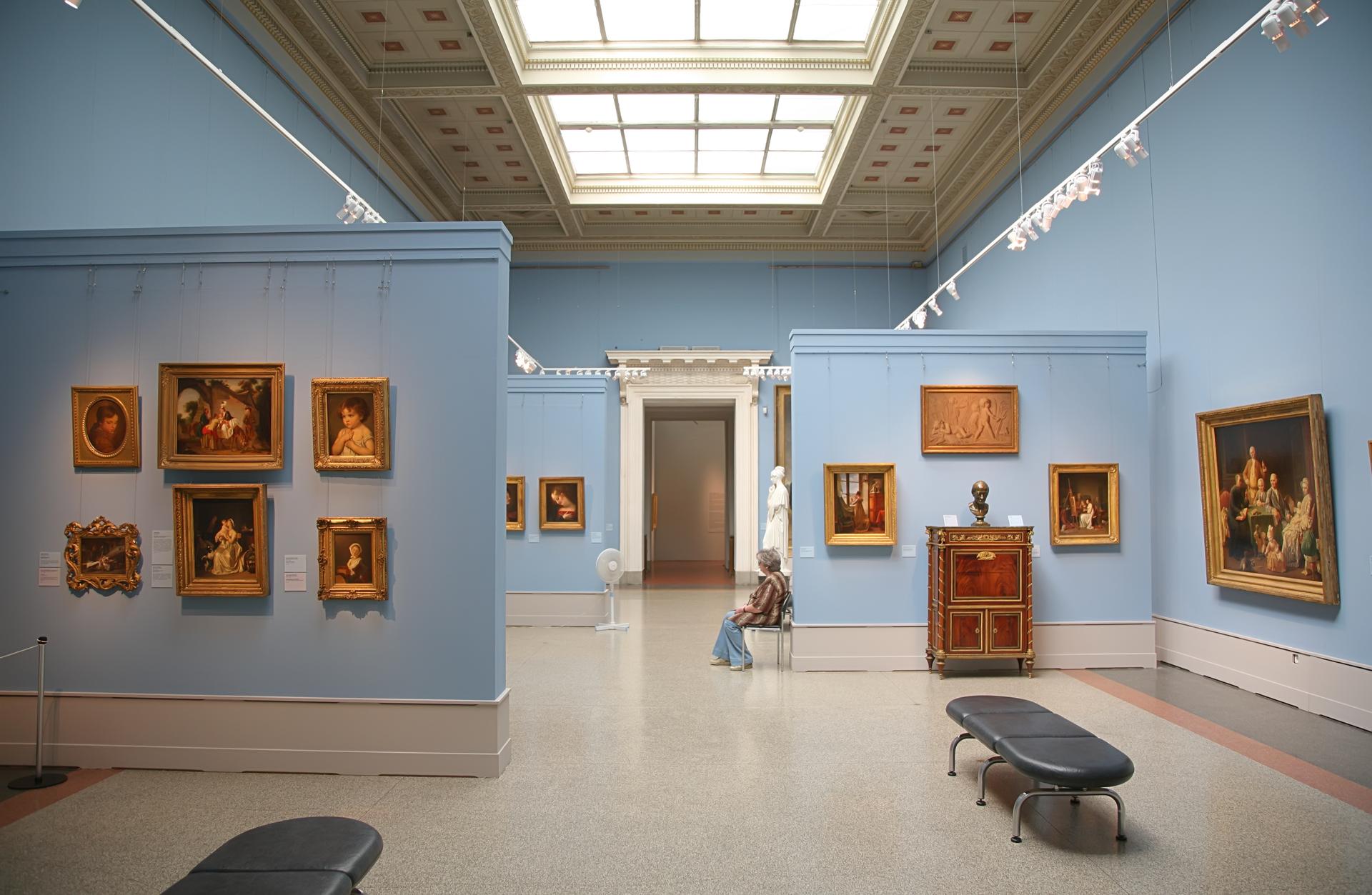
What sits inside a local museum often cannot be found anywhere else in the world. A collection of photographs documenting a town’s founding years, a handmade tool used by the area’s first settlers, a journal written by a community leader a century ago — these are irreplaceable. Once lost, they are gone forever. Heritage museums make it their mission to ensure that doesn’t happen, maintaining archives, preserving physical objects, and creating permanent records of the people and events that shaped a place.
This preservation work benefits not just current residents but future generations who deserve the chance to understand where they came from and how their community came to be.
Educating Across Generations
One of the most powerful functions of a heritage museum is education. Local history brings broader historical concepts to life in ways that national narratives sometimes cannot. When children and young people see their own town reflected in exhibits — when they recognize the names of streets, landmarks, and families — history becomes personal rather than abstract.
Museums create that connection. A school group visiting a local heritage museum isn’t just learning dates and events. They’re developing a sense of belonging, a pride in their community, and a curiosity about the world that extends well beyond the classroom. Interactive exhibits, guided tours, educational programs, and hands-on experiences make history accessible and engaging for visitors of all ages.
For adults, heritage museums often reveal layers of local history that even longtime residents never knew existed. A single exhibit can reframe the way a person understands the neighborhood they’ve lived in for decades.
Honoring Diverse Voices and Cultures
The richest heritage museums don’t tell a single story. They reflect the full diversity of the communities they represent — including the voices, traditions, and contributions of groups that have sometimes been overlooked or underrepresented in broader historical narratives.
Indigenous peoples, immigrant communities, working-class families, women, and other groups have shaped every community in profound ways. Heritage museums that honor these contributions create a more complete and honest picture of local history. They give community members from all backgrounds the opportunity to see themselves reflected in the story being told — and they invite visitors to develop a deeper, more nuanced understanding of the place they’re exploring.
This inclusive approach to storytelling makes heritage museums not just archives of the past but active contributors to a more connected and empathetic community in the present.
Supporting Local Tourism and the Economy
Heritage museums don’t just serve local residents — they draw visitors from near and far, contributing meaningfully to the local economy. Cultural tourism is one of the fastest-growing segments of the travel industry, and heritage museums are a key driver. Travelers increasingly seek out authentic, place-based experiences rather than generic attractions, and a well-curated local museum delivers exactly that.
A visitor who comes to explore a heritage museum often stays longer, spends more at local businesses, and leaves with a deeper connection to the community than a traveler who simply passes through. Museums anchor cultural districts, support nearby restaurants and shops, and give communities a compelling reason for outsiders to visit and return.
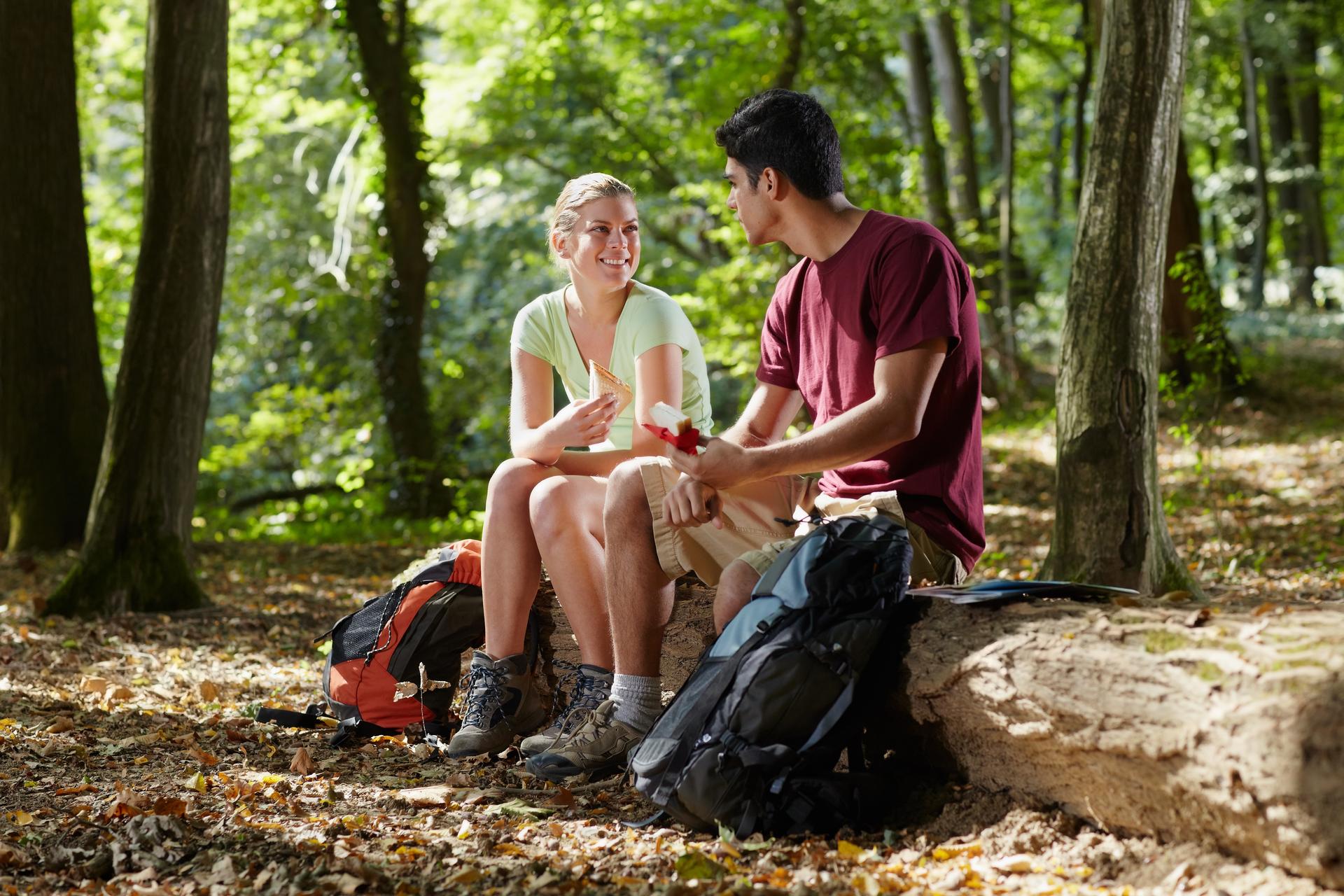
For destinations that pair outdoor adventure with cultural depth — places where a visitor might spend a morning hiking and an afternoon exploring local history — heritage museums serve as the connective tissue between natural beauty and human story.
A Living Example: Elko, Nevada
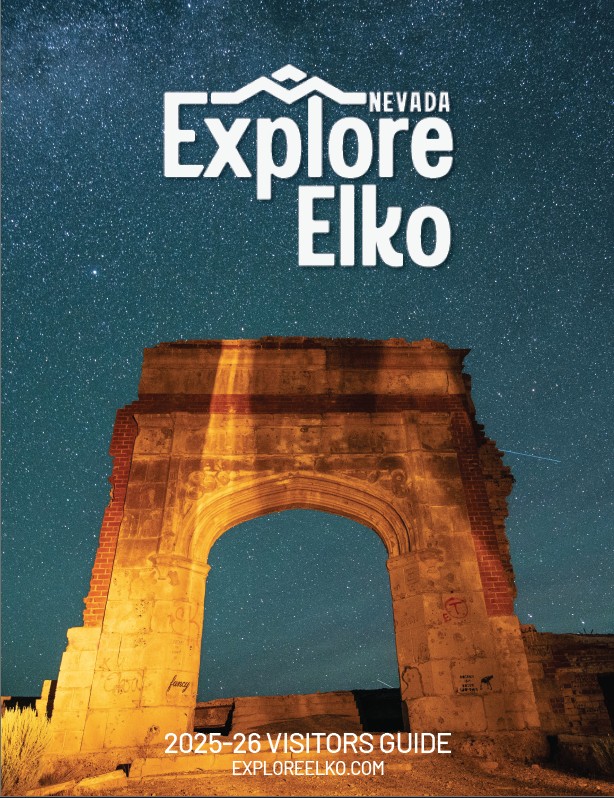
Few places illustrate the power of heritage museums better than Elko, Nevada. Elko invites visitors to trace the Oregon Trail at the California Trail Interpretive Center, step into the past at the Northeastern Nevada Museum, and hear cowboy poetry at the Western Folklife Center. Together, these institutions paint a vivid portrait of a region shaped by railroad pioneers, Native peoples, Basque immigrants, and generations of working cowboys.
Elko’s cultural institutions anchor Nevada’s artistic heritage, giving visitors a genuine sense of place that goes well beyond what any guidebook can convey. For those seeking an immersive experience in the region’s history and natural landscape, a stay in a Ruby Mountain yurt offers a unique way to connect with the land while keeping the area’s storied past close at hand.
Elko blends rugged natural beauty, rich cultural heritage, and a welcoming small-town spirit that is increasingly hard to find. Explore Elko and find out how its heritage institutions are a significant part of what makes that blend so compelling.
The Community Identity Museums Create
Beyond education and tourism, heritage museums play a quieter but equally important role: they give communities a shared identity. In places where long-term residents and newcomers live side by side, a local museum provides common ground. It tells the story of how a community came to be and invites everyone — regardless of how long they’ve lived there — to become part of that ongoing story.
This sense of shared identity matters enormously during times of change. When communities face economic shifts, population growth, or the loss of familiar landmarks, heritage museums serve as a stabilizing force. They remind residents of what has endured and what is worth protecting. They celebrate resilience and honor the generations of people whose work and sacrifice built the community that exists today.
In this way, heritage museums aren’t just about the past. They are active participants in shaping what a community chooses to value and carry forward into its future.
Discover the Stories That Shaped Elko
If the history, culture, and natural beauty of northeastern Nevada are calling your name, Elko is ready to welcome you. From the trail-blazing exhibits at the California Trail Interpretive Center to the living traditions celebrated at the Western Folklife Center, the region’s heritage institutions offer experiences that are as unforgettable as the landscape surrounding them.
Plan your visit and explore everything Elko has to offer. Whether you’re drawn by the mountains, the museums, the festivals, or the spirit of the authentic American West, Elko has a story worth discovering — and it’s one you’ll want to tell long after you’ve headed home.
Frequently Asked Questions
Why are local heritage museums important?
Local heritage museums preserve the unique history, culture, and stories of a community that may not be documented anywhere else. They educate residents and visitors, honor diverse voices, support cultural tourism, and provide communities with a shared sense of identity and pride.
Who benefits from visiting a heritage museum?
Everyone. Children gain a personal connection to history that makes learning more meaningful. Adults often discover surprising layers of local history they never knew. Visitors from out of town gain an authentic understanding of the community they’re exploring. Heritage museums are designed to be inclusive and welcoming to people of all ages and backgrounds.
How do heritage museums support the local economy?
Heritage museums attract cultural tourists who tend to stay longer and spend more in the local area. They anchor cultural districts, support nearby businesses, and give communities a distinctive identity that draws repeat visitors. In many communities, cultural tourism anchored by heritage institutions contributes significantly to the local economy.
How are local heritage museums funded?
Funding sources vary but typically include a combination of government grants, private donations, membership programs, admission fees, gift shop revenue, and partnerships with local businesses and organizations. Many heritage museums rely heavily on the support of dedicated volunteers and community members who believe in their mission.
What kinds of artifacts and collections do heritage museums typically hold?
Collections vary widely but often include historical photographs, documents, maps, personal letters, tools, clothing, artwork, and objects tied to significant local events or industries. Many museums also maintain research archives, oral history recordings, and digital collections that allow people to access historical materials remotely.
How can I support my local heritage museum?
There are many ways to get involved. Visiting regularly and bringing others is a great start. Membership programs, monetary donations, and volunteering are all meaningful ways to contribute. If you have family photographs, documents, or artifacts related to local history, many museums welcome donations that add to their permanent collections.