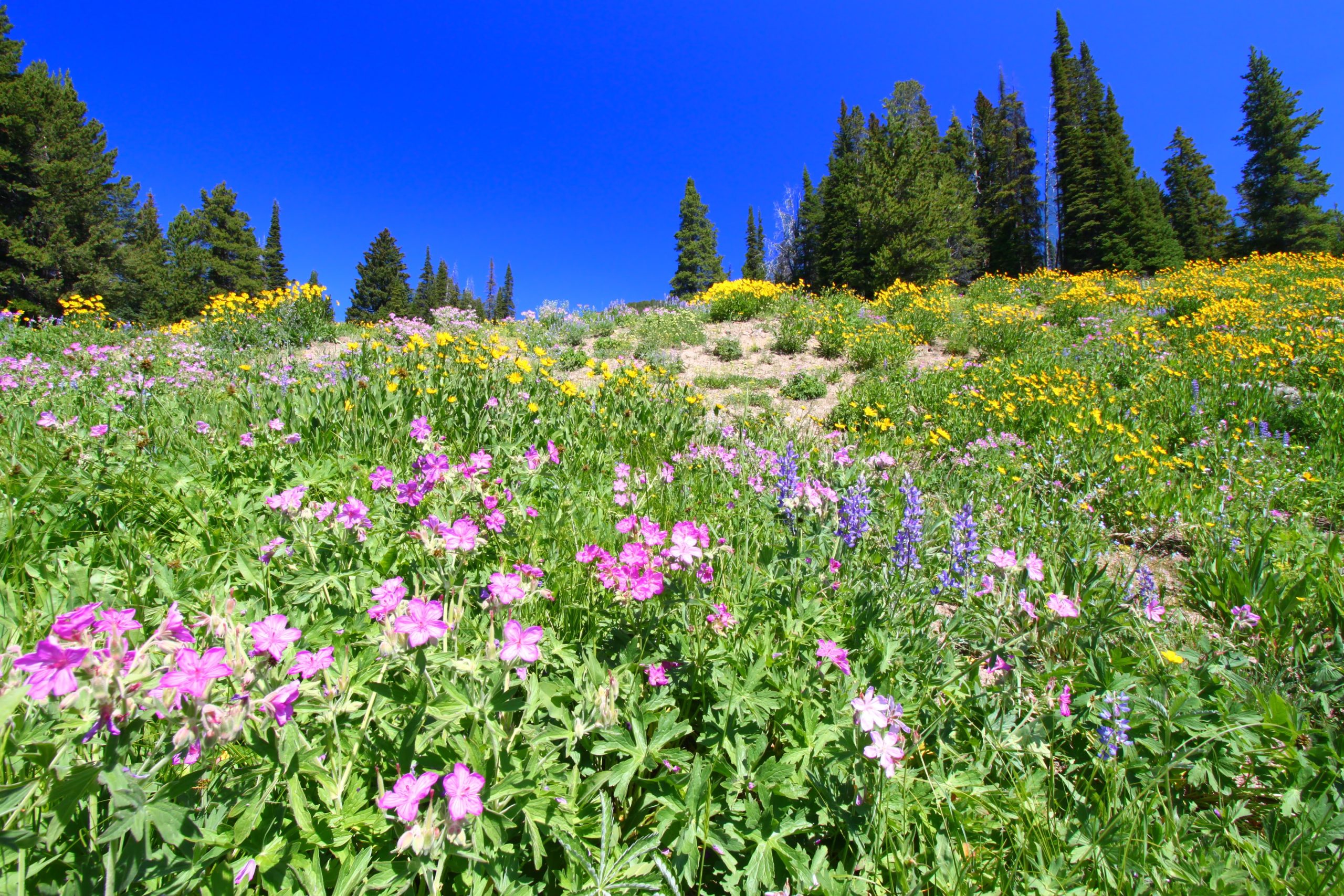
There is something quietly magical about stumbling upon a hillside blanketed in color — petals catching the morning light, bees drifting lazily from bloom to bloom, and the smell of something wild and alive filling the air. Wildflower hunting is one of those outdoor pursuits that asks very little of you and gives back enormously. No special gear, no elite fitness level, no years of training. Just curiosity, a good pair of walking shoes, and a willingness to slow down and look.
Whether you are a seasoned hiker or someone just beginning to explore the outdoors, chasing wildflowers is a deeply rewarding experience. And if you know a few key tips, you can dramatically increase your chances of finding the most stunning displays nature has to offer.
Understanding Wildflower Seasons
One of the most important things to understand about wildflower hunting is that timing is everything. Wildflowers do not bloom on a fixed calendar — they respond to conditions like snowpack, rainfall, and temperature. A wet winter often leads to an extraordinary bloom season, while a dry year may produce something more modest.
Generally speaking, blooms begin at lower elevations in the earlier months of the year and gradually move upward as temperatures warm. By midsummer, high-elevation trails like the Ruby Crest Trail come alive with color, showcasing alpine wildflowers that thrive in cooler, more rugged environments. If you miss the lower-elevation blooms, do not be discouraged — simply follow the season upward.
Paying attention to local nature forums, hiking communities, and regional travel resources can help you stay informed about when and where blooms are peaking in real time.
Do Your Research Before You Go
Spontaneous adventures are wonderful, but a little research goes a long way when it comes to wildflower hunting. Before you head out, take time to learn about the region you plan to explore. Different ecosystems support entirely different wildflower communities — desert landscapes, mountain meadows, riparian corridors, and alpine zones each have their own cast of bloomers.
Look into trail conditions and recent visitor reports. Many outdoor enthusiasts share photos and observations online after their hikes, and these real-time updates can be more useful than any guidebook. Regional travel and tourism websites are also excellent resources — they often highlight seasonal attractions and trail recommendations that align perfectly with bloom windows.
Choose the Right Trails
Not all trails are created equal when it comes to wildflower displays. Wide, heavily trafficked paths through dry terrain may offer little in the way of floral color, while meadow crossings, creek-side trails, and high alpine routes can be absolutely breathtaking during peak season.
Trails that pass through open meadows, gain significant elevation, or travel near water sources tend to be especially rewarding. The Ruby Crest Trail is one such route — winding through high-elevation terrain where the growing season is short and intense, producing a concentrated explosion of blooms that rewards those willing to make the climb. Trails like this remind you why the effort is always worth it.
When choosing a trail, also consider the direction it faces. North-facing slopes hold moisture longer and often support lush wildflower growth well into summer, while south-facing slopes may bloom earlier but dry out faster.
Slow Down and Look Closely
One of the most common mistakes new wildflower hunters make is moving too fast. Wildflowers reward patience and attention. While sweeping meadow vistas are undeniably stunning, some of the most beautiful and interesting blooms are small, tucked beside a rock, or hidden along the edge of the trail.
Make a habit of pausing regularly to look at ground level. Get curious about what is growing in the cracks of boulders, along stream banks, and in the dappled shade beneath trees. You may be surprised by how much you have been walking past without noticing.
Bringing a small field guide or using a plant identification app on your phone can make these discoveries even more meaningful, turning a pleasant walk into a genuine learning experience.
Photograph Thoughtfully and Leave No Trace
Wildflower hunting naturally inspires photography, and capturing the beauty of a blooming meadow is one of the great pleasures of the pursuit. A few simple habits will help you take better photos while also protecting the flowers for the next visitor.
Stay on designated trails and avoid stepping into meadows or flower patches to get a closer shot. Many wildflower displays are surprisingly fragile — a single footstep in the wrong spot can damage plants that took years to establish. Instead, use your camera’s zoom or get low to the ground from the trail’s edge.
Early morning light is almost always the most flattering for flower photography, casting a warm, golden tone and reducing harsh shadows. Overcast days can also be wonderful — the soft, diffused light brings out colors beautifully without the glare of direct sun.
And of course, never pick wildflowers. Beyond the ethical consideration, many wildflowers are protected by law. The best way to take them home is through photographs.
Embrace the Unexpected
Part of the joy of wildflower hunting is that it is never entirely predictable. You may set out for one trail and discover an unexpected bloom along the way. You may visit a spot that was spectacular last season and find it quiet this time around. Nature operates on its own schedule, and learning to embrace that uncertainty is part of what makes this pursuit so special.
Some of the most memorable wildflower moments come from simply wandering — following a creek, taking an unmarked side path, or lingering in a meadow longer than planned. Keep your eyes open and your expectations flexible.
Ready to Start Chasing Blooms?
The wilderness of northeastern Nevada is home to some of the most stunning and underappreciated wildflower scenery in the American West. From the sagebrush flats to the heights of the Ruby Crest Trail, the region offers bloom opportunities across a remarkable range of landscapes and elevations.
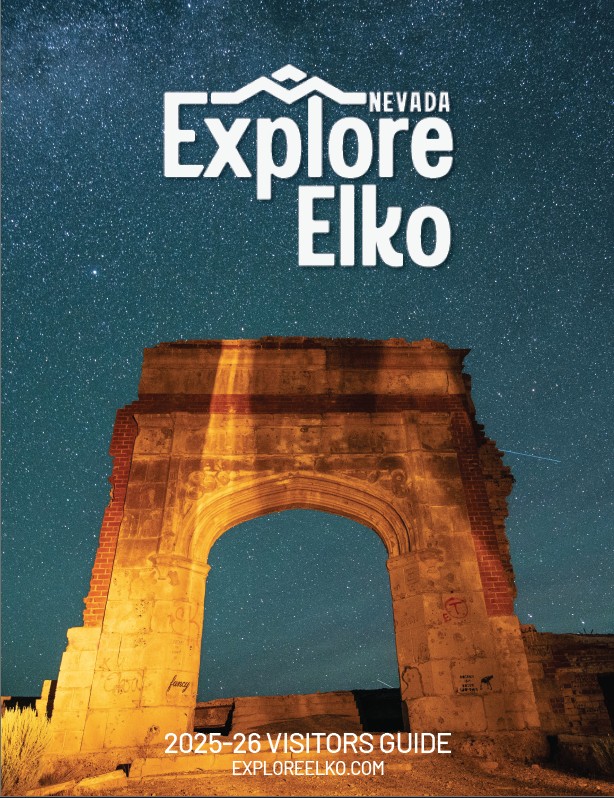
If you are planning a trip and want to make the most of the season, Explore Elko is a great place to start. The site offers helpful information on trails, outdoor recreation, and what the region has to offer throughout the year — so you can plan your adventure with confidence and discover the blooms waiting for you out there.
Pack your curiosity. The wildflowers are out there.
FAQ: Wildflower Hunting for Beginners
Do I need any special equipment to go wildflower hunting?
Not at all. Comfortable walking shoes, sun protection, plenty of water, and a charged phone are really all you need to get started. A field guide or plant ID app is a nice bonus.
When is the best time of year to see wildflowers?
It depends on the region and elevation. Lower elevations tend to bloom earlier in the season, while high alpine areas like those along the Ruby Crest Trail reach peak bloom in midsummer. Following local trail reports is the best way to time your visit.
Can I pick wildflowers I find on the trail?
It is best to leave all wildflowers where they are. Many species are protected, and even those that are not play an important role in their local ecosystem. Photograph them instead.
How do I identify wildflowers I do not recognize?
Plant identification apps have become remarkably accurate and are a great tool for beginners. Simply take a clear photo of the flower and the app will suggest a match. A regional wildflower field guide is also a worthwhile investment.
Are wildflower hikes suitable for families with children?
Absolutely. Wildflower hunting is a wonderful way to introduce kids to nature. The built-in treasure-hunt quality keeps children engaged, and it is a natural opportunity to talk about ecosystems, pollinators, and the environment.