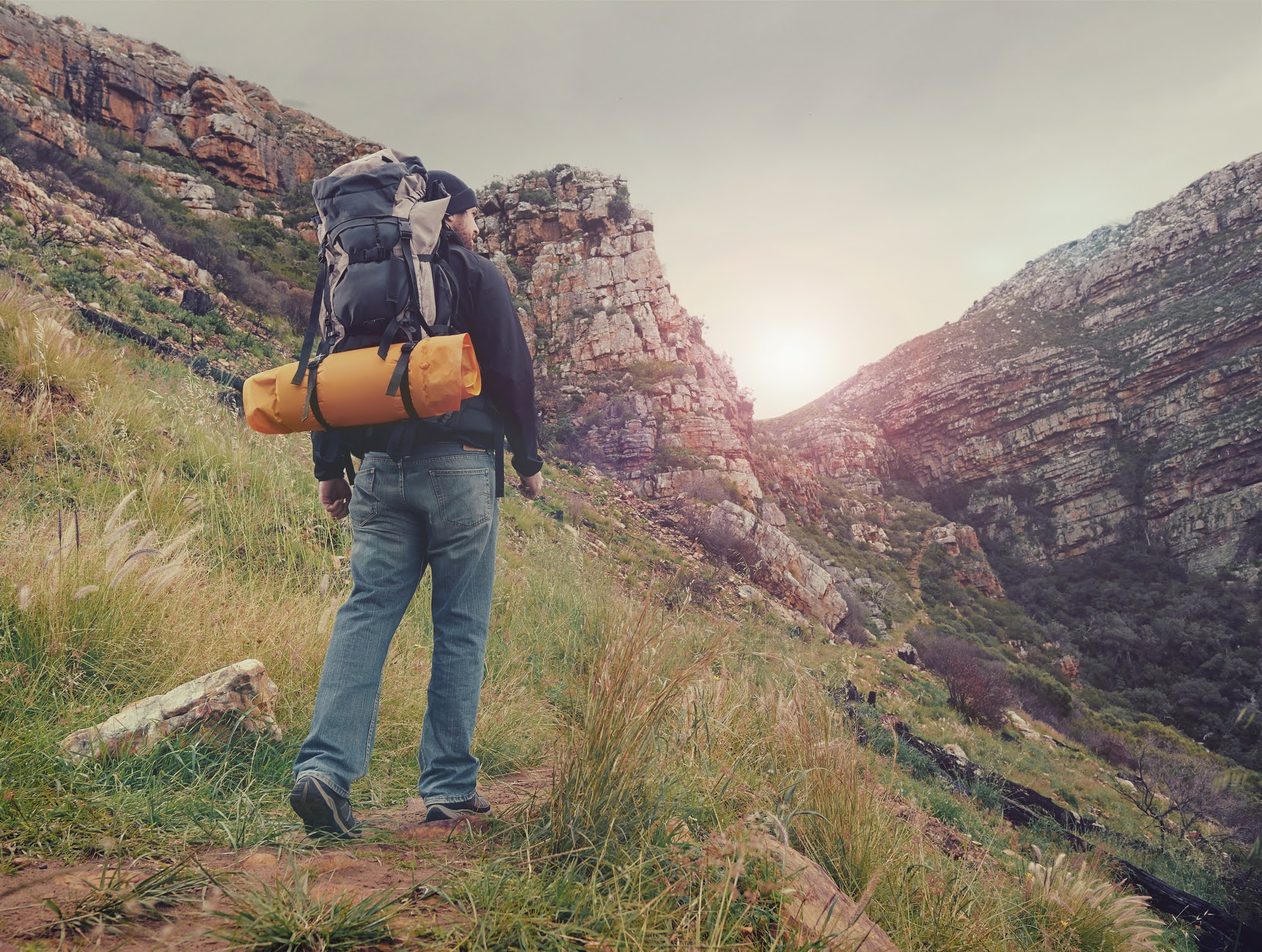
The Elko wilderness region stands as one of the American West’s best-kept secrets, a sprawling landscape where rugged peaks pierce impossibly blue skies and alpine meadows bloom in kaleidoscopic brilliance. While many outdoor enthusiasts flock to the more famous national parks, those willing to venture into this remote corner discover a world where solitude and raw natural beauty converge in spectacular fashion.
Why Elko Wilderness Deserves Your Attention
This high desert mountain range offers something increasingly rare in our crowded world: genuine wilderness. The terrain here challenges conventional expectations of what desert landscapes should look like. Instead of endless sand and scrub, you’ll find glacier-carved valleys, crystalline lakes reflecting towering granite faces, and forests that seem transported from far northern latitudes.
The region’s relative obscurity works in favor of those seeking authentic backcountry experiences. Unlike crowded trail systems elsewhere, you can hike for hours without encountering another soul. This isolation creates opportunities for wildlife viewing that simply aren’t possible in busier recreational areas. Mountain goats navigate impossible cliff faces, while elk herds move through valleys with the timeless rhythm of seasons unchanged by human presence.
Ruby Crest Trail
No discussion of Elko wilderness exploration would be complete without mentioning The Ruby Crest Trail, a high-altitude route that many consider among the finest backpacking experiences in the lower states. This trail traverses the spine of the range, maintaining elevations that keep hikers in the alpine zone for extended stretches.
What makes the Ruby Crest Trail particularly special is its sustained grandeur. Rather than climbing to a single viewpoint before descending, the route strings together one spectacular vista after another. You walk along ridgelines where the world falls away on both sides, creating the sensation of traveling along the roof of the earth itself.
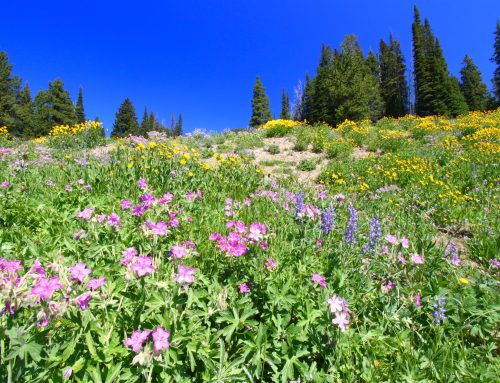
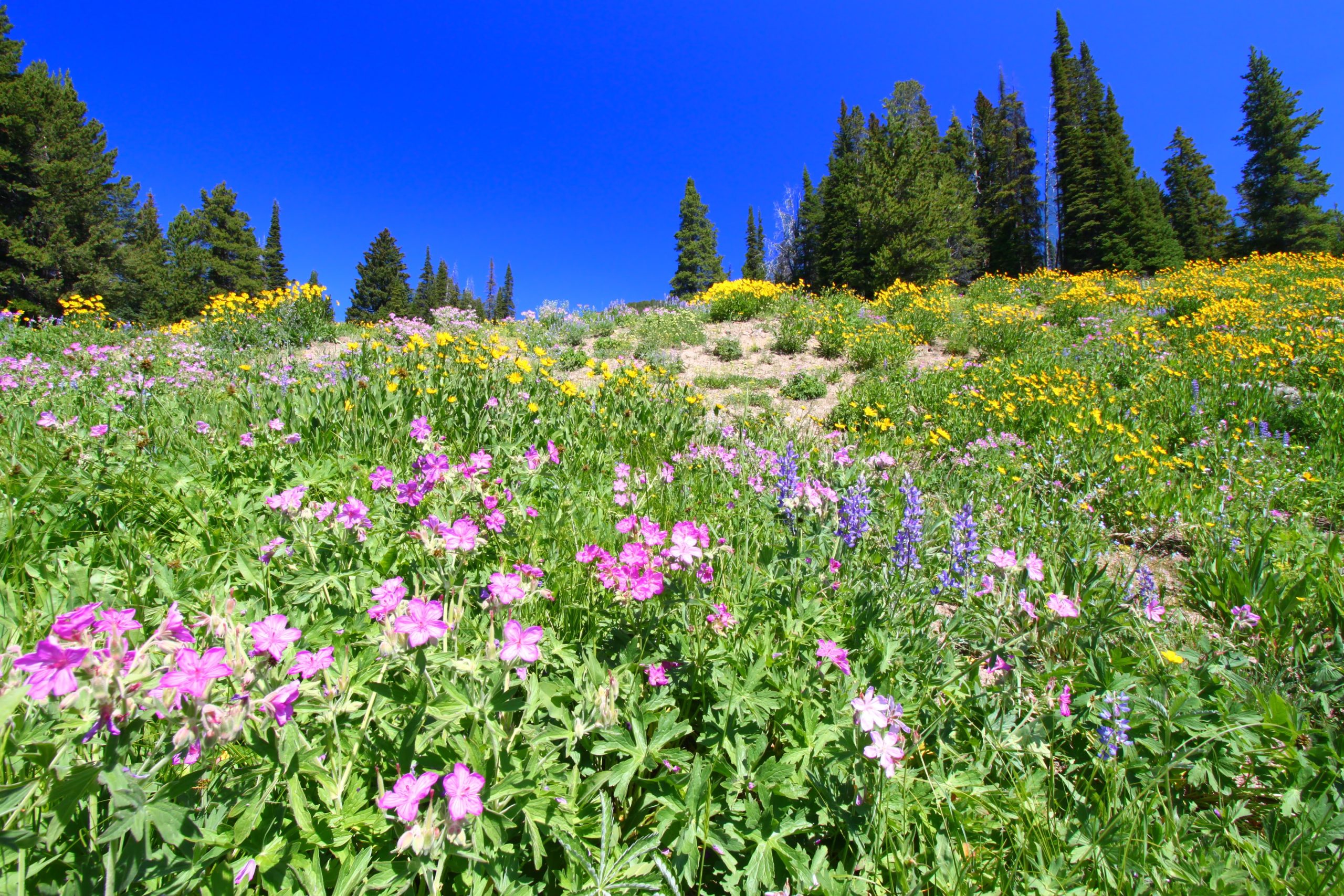
The trail’s design allows backpackers to experience the full ecological diversity of the range. Morning might find you climbing through ancient bristlecone pine forests, those gnarled survivors that have weathered centuries of harsh mountain winters. By afternoon, you’re crossing wildflower-strewn meadows where the air hums with pollinator activity. Evening camps beside alpine lakes offer mirror-still reflections of surrounding peaks, the water so clear you can count individual pebbles on the bottom.
Beyond the Main Routes
While the Ruby Crest Trail rightfully claims attention, the surrounding wilderness harbors countless opportunities for those willing to navigate with a map and compass. Smaller tributary valleys branch off from main drainages, leading to hidden cirques and pristine basins that see visitors only occasionally each season.
These off-trail explorations require solid navigation skills and wilderness experience, but they reward adventurers with landscapes that feel entirely their own. Imagine discovering a nameless lake surrounded by talus slopes, its shores unmarked by previous campsites, its waters home to fish that have never seen an artificial fly. These moments of discovery connect us to how explorers of previous generations must have felt encountering unknown terrain for the first time.
Seasonal Considerations and Planning
The wilderness transforms dramatically across seasons, each period offering distinct advantages and challenges. The brief summer window brings an explosion of wildflowers and the most stable weather, making it the most popular season for extended backpacking trips. However, early and late season visits reveal different aspects of the landscape’s character.
Early-season hikers might encounter lingering snowfields that complicate navigation but also feed rushing streams and fill seasonal ponds. The shoulder seasons offer solitude and often spectacular autumn colors as aspens turn golden against evergreen backdrops. Winter transforms the landscape entirely, though only the most experienced and well-equipped adventurers should consider cold-season expeditions in this remote terrain.
Weather patterns here can shift with startling speed. Mountain thunderstorms develop rapidly on summer afternoons, turning blue skies threatening in what feels like moments. This unpredictability demands respect and preparation, with backup plans and appropriate gear being essential rather than optional.
Wildlife and Natural History
The biological diversity packed into these mountains reflects their position as an ecological island surrounded by vast expanses of lower-elevation desert. Species typically found much farther north find refuge in these high peaks, creating unusual assemblages of plants and animals.
Observant hikers notice signs of wildlife presence everywhere. Elk rubs mark aspen trunks. Mountain lion tracks occasionally appear in trail dust. Marmots whistle warnings from boulder fields, their shrill calls echoing across valleys. The bird life ranges from tiny hummingbirds hovering at wildflowers to golden eagles soaring thermal currents above ridgelines.
The geological story written in these rocks spans unimaginable time periods. The peaks themselves resulted from ancient tectonic forces, while glaciers of more recent ice ages carved the dramatic valleys and cirques that define the current landscape. Hot springs in certain valleys hint at ongoing geothermal activity deep beneath the surface.
Essential Preparation and Skills
Successful wilderness exploration here requires more than just physical fitness. The remote nature of the region means self-sufficiency isn’t just recommended but mandatory. Cell phone coverage is essentially nonexistent, and help, should you need it, could be days away.
Navigation skills deserve special emphasis. While main trails are generally well-marked, conditions can obscure routes. Weather events sometimes wash out trail sections. Being comfortable with a map, a compass, and increasingly, GPS technology, allows you to adapt when conditions deviate from expectations.
Water sources require planning and treatment. While streams and lakes abound in many areas, certain stretches can be surprisingly dry. Knowing where reliable water exists along your intended route prevents uncomfortable situations and allows you to carry appropriate amounts rather than excess weight.
Leave No Trace in Practice
The pristine nature of this wilderness places extra responsibility on visitors. The principles of leave no trace ethics aren’t just guidelines here but essential practices for preserving what makes these landscapes special.
Camping practices matter enormously in fragile alpine environments. Established sites, where they exist, concentrate impact rather than spreading it across pristine areas. When camping in previously unused locations, choosing durable surfaces and moving camp after a night or two prevents site development. Campfires, while romantic, leave lasting scars in high-elevation environments where wood regrows slowly if at all.
Waste disposal deserves careful attention. What you pack in must come out with you. Human waste requires proper burial well away from water sources, and in heavily used areas, packing it out becomes the responsible choice.
The Lasting Impact
Those who venture into the Elko wilderness often find it changes them. There’s something about walking for days through landscapes that remain essentially unchanged from centuries past that recalibrates perspective. The silence, the scale, the reminder of our smallness against geological time—these experiences linger long after you return to everyday life. Ready to start planning your own Elko wilderness adventure? Visit our Elko tourism website to discover detailed information about wilderness areas, trail conditions, local outfitters, and essential resources for your trip. From beginner-friendly day hikes to challenging multi-day expeditions, the region offers experiences for every skill level and ambition. Don’t just dream about untouched wilderness—take the first step toward experiencing it yourself. The mountains are waiting, and the hidden gems of Elko won’t stay hidden forever.
Frequently Asked Questions
What’s the best time to visit the Elko wilderness?
The optimal window typically runs from mid-summer through early fall, when snow has melted from high passes but before autumn storms arrive. However, specific timing varies year to year based on snowpack and weather patterns.
Do I need permits for backpacking?
Permit requirements can change, so checking current regulations before your trip is essential. Some areas require registration while others operate on a voluntary system.
How difficult is the terrain?
The Ruby Crest Trail and similar routes demand good physical conditioning and comfort with elevation gain. Daily elevation changes can be substantial, and the high altitude itself challenges those accustomed to lower elevations.
What about water availability?
Water sources are generally abundant during peak season, but springs and streams can dry up in late summer or during drought years. Planning your route around known reliable sources and carrying treatment capability is essential.
Is the area suitable for beginners?
While shorter day hikes can accommodate less experienced hikers, multi-day backpacking trips here suit those with established wilderness skills. The remote nature and potential weather extremes aren’t forgiving of inexperience.