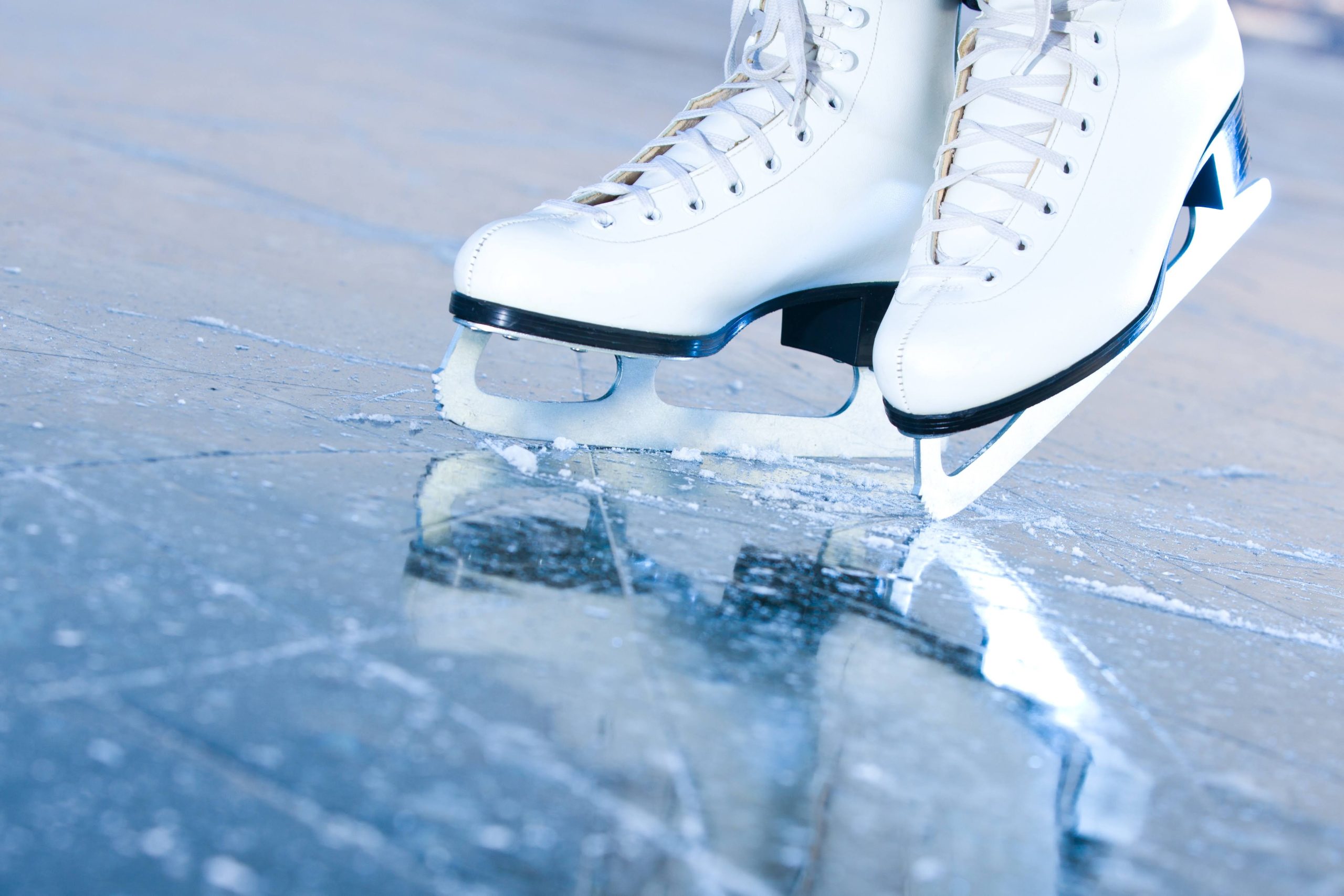
There’s something magical about outdoor ice skating that indoor rinks simply can’t replicate. The crisp winter air on your cheeks, the sight of your breath forming clouds as you laugh with your kids, and the surrounding landscape creating a picture-perfect backdrop—these elements transform a simple skating session into an unforgettable family adventure. Planning the perfect outdoor ice skating day requires a bit more preparation than heading to an indoor facility, but the memories you’ll create are worth every extra minute of planning.
Why Outdoor Ice Skating Beats Indoor Every Time
Outdoor ice skating offers families a unique connection with winter that goes beyond the activity itself. The natural setting creates an immersive experience where your family isn’t just skating—you’re embracing the season together. The open sky above, whether brilliant blue or softly overcast, adds dimension to your outing that fluorescent lights never could. Children often find the outdoor environment more exciting and less confined, giving them the freedom to explore skating at their own pace without feeling enclosed by walls.
The sensory experience of outdoor skating also creates stronger memories. The sound of skates cutting across natural ice, the way the cold air sharpens your senses, and even the warmth of hot chocolate afterward all contribute to a more memorable day. These are the moments that stick with children long after winter has passed, creating traditions they’ll want to repeat year after year.
Essential Preparation for Your Outdoor Skating Adventure
Success at an outdoor rink begins before you leave home. Layering is your best strategy for staying comfortable throughout your visit. Start with moisture-wicking base layers that keep sweat away from the skin, add insulating middle layers for warmth, and finish with a windproof outer shell. Remember that skating generates heat, so your family will likely shed layers as you warm up—bringing a backpack to store extra clothing keeps everyone comfortable.
Don’t overlook the importance of proper accessories. Warm, waterproof gloves or mittens are non-negotiable, especially for younger children who tend to spend more time on the ice (literally) as they learn. Thick socks prevent blisters and keep toes warm, though avoid doubling up on socks as this can restrict circulation and actually make feet colder. Helmets are wise for beginners, and knee pads can help nervous skaters feel more confident as they learn.
Check the weather forecast and rink conditions before heading out. Outdoor rinks can close due to mild temperatures or may have rough ice after particularly cold nights. Calling ahead or checking online saves you a disappointing trip. Some rinks even post ice quality updates on social media, giving you real-time information about conditions.
Timing Your Visit for Maximum Enjoyment
The time of day you choose can dramatically affect your outdoor skating experience. Morning sessions often feature the smoothest ice, as overnight grooming hasn’t yet been disturbed by crowds. The crisp morning air also tends to be calmer, making it easier for beginners to find their balance. However, mornings can be significantly colder, so extra layers become even more important.
Afternoon visits bring milder temperatures and often livelier atmospheres, perfect for families who enjoy a bustling, social environment. The warmth of afternoon sun—when available—creates a pleasant contrast to the cold ice beneath your feet. Just be prepared for more crowded conditions and potentially rougher ice surfaces that have been carved up by morning skaters.
Evening skating offers its own special charm, especially at rinks with lighting. The transformation from daylight to twilight creates a magical ambiance that children particularly enjoy. The social energy picks up as people finish work and school, creating a community feel that makes the experience more festive. Bundle up extra warm for evening sessions, as temperatures drop quickly once the sun sets.
Making the Most of Your Time on the Ice
Once you arrive, resist the urge to rush immediately onto the ice. Take time to properly lace skates, ensuring they’re snug but not cutting off circulation. Ankles should feel supported, with laces tight through the middle portion of the boot but slightly looser at the top to allow for forward lean. Properly fitted skates make an enormous difference in comfort and control.
For families with mixed skill levels, establish a buddy system. Pair confident skaters with beginners, allowing everyone to participate without anyone feeling left behind or held back. This approach builds family bonds while teaching patience and encouragement. Create small goals for less experienced skaters—reaching the next section of boards, completing one full lap, or skating backward for just a few feet—that provide a sense of accomplishment without overwhelming them.
Take regular breaks to warm up and rest. Skating uses muscles differently than most activities, and fatigue leads to falls and frustration. Use break time to enjoy warm beverages, snacks, or simply to watch other skaters. These pauses often become some of the best moments of the day, when family members share observations, jokes, and encouragement.
Beyond the Rink: Creating a Complete Winter Day
The best outdoor skating days often extend beyond just time on the ice. Many communities situate their rinks near other winter attractions, allowing you to build a full day of cold-weather fun. Some families make traditions of visiting the same hot chocolate shop afterward, or walking through nearby winter markets before or after skating.
For adventurous families who embrace winter sports beyond skating, regions that offer outdoor ice rinks often provide other cold-weather activities. Some areas even feature more extreme winter adventures—from heli-ski experiences for thrill-seekers to snowshoeing trails perfect for all ages. The key is recognizing that outdoor ice skating can be the centerpiece of a broader winter adventure that helps your family fall in love with the season.
Consider bringing a thermos of hot drinks and easy snacks to enjoy rinkside. Setting up a small “base camp” with blankets and a bag of supplies means younger children can take breaks without leaving the rink entirely. This keeps the group together while accommodating different energy levels and attention spans.
Building Lasting Winter Traditions
The beauty of outdoor ice skating lies not just in a single outing, but in the traditions these experiences create. Return to the same rink throughout the season and watch your family’s skills improve. Take photos in the same spot each visit to document growth and progress. Let children choose one special element for each trip—perhaps a new snack to try, a game to play on the ice, or a friend to invite along.
These repeated experiences build confidence in winter weather and outdoor activities, teaching children that cold temperatures shouldn’t keep families inside. The resilience and adaptability they learn while navigating outdoor conditions serve them well beyond the skating rink.
Discover More Winter Adventures
Whether you’re planning your first family skating outing or looking to make it part of a larger winter getaway, having local knowledge makes all the difference. For comprehensive information about winter activities, seasonal events, and family-friendly adventures in communities that celebrate the cold season, contact our team, where you’ll find details about everything from ice skating venues to the full range of winter experiences available in areas that know how to make the most of snowy months.
The perfect family day at an outdoor ice rink isn’t about perfect skating skills or ideal weather—it’s about bundling up together, embracing the cold, and creating memories that warm you long after winter ends.
Frequently Asked Questions
What should we do if someone falls frequently?
Falling is a normal part of learning to skate. Teach proper falling technique—sit down rather than putting hands out—and make it lighthearted. Praise effort over perfection, and remind everyone that even experienced skaters occasionally slip. If frustration builds, take a break and return when spirits are refreshed.
How long should we plan to skate?
Most families find that sessions lasting between one to two hours work well. This provides enough time to warm up, enjoy skating, and finish before exhaustion sets in. Younger children may need shorter sessions, while teenagers might want to stay longer. Pay attention to energy levels and cold tolerance rather than watching the clock.
What if the rink doesn’t have skate rentals?
Some outdoor rinks operate as open ice without facilities, assuming visitors bring their own skates. If purchasing skates seems excessive for occasional use, check local sporting goods stores or community centers for rental programs. Used sporting goods stores and online marketplaces often have quality skates at reasonable prices.
Can toddlers enjoy outdoor ice rinks?
Absolutely, though their time on the ice will likely be short. Consider bringing a skating aid or walker designed for ice. Many parents find that toddlers enjoy the atmosphere and bundled-up playtime near the rink as much as the skating itself. Keep expectations modest and follow their cues about when they’ve had enough.
What happens if we get too cold?
Listen to your body and leave before anyone becomes uncomfortably cold. Watch for signs of excessive shivering, numbness, or complaints about pain from cold. Having a warm vehicle nearby or knowing the location of indoor warming areas ensures you can quickly remedy the situation. It’s better to end early with everyone happy than to push through and create negative associations with winter activities.