There’s nothing quite like the rush of stepping out of a helicopter onto an untouched mountain peak, ready to carve your signature into pristine powder that no one else has skied. Heli-skiing in Elko, Nevada, offers exactly this experience, combining the rugged beauty of the Ruby Mountains with world-class terrain that attracts powder hounds from around the globe. If you’re considering your first heli-ski adventure in this remarkable corner of Nevada, here’s everything you need to know to prepare for the trip of a lifetime.
Understanding the Ruby Mountains Terrain
The Ruby Mountains, often called the “Swiss Alps of Nevada,” rise dramatically from the high desert floor to peaks exceeding 11,000 feet. This stunning range offers over 200 square miles of skiable terrain, with runs that can extend for over 3,000 vertical feet. Unlike traditional ski resorts where you’re limited to groomed runs and chairlift access, heli-skiing opens up an entire mountain range as your playground.
The terrain varies from wide-open bowls perfect for making sweeping powder turns to steep couloirs that challenge even expert skiers. Tree skiing through gladed areas provides options when visibility decreases, and the variety ensures that every run feels like a new adventure. The Ruby Mountains receive substantial snowfall throughout winter, and the cold, dry climate often produces the champagne powder that skiers dream about.
Physical Preparation and Skill Requirements
Heli-skiing is physically demanding, and your first trip to Elko will test your endurance in ways resort skiing doesn’t. Most operators require skiers to be advanced or expert level, both comfortable on black diamond terrain and capable of handling variable snow conditions. You’ll be skiing continuous vertical for thousands of feet at a time, often in deep powder that requires different techniques than groomed runs.
Begin preparing several months before your trip with cardiovascular training, leg strengthening exercises, and, if possible, practice at your local resort on the most challenging terrain available. Backcountry skiing experience is beneficial, but not always required. The guides will provide instruction on powder techniques if needed, but arriving in good physical condition ensures you’ll have the stamina to fully enjoy each day.
What’s Included in Your Package
Most Elko heli-ski operations offer multi-day packages that include lodging, meals, and a set amount of vertical skiing per day, typically ranging from 10,000 to 15,000 vertical feet. Your days will start with a hearty breakfast, followed by a safety briefing where guides discuss the day’s terrain, snow conditions, and avalanche safety protocols.
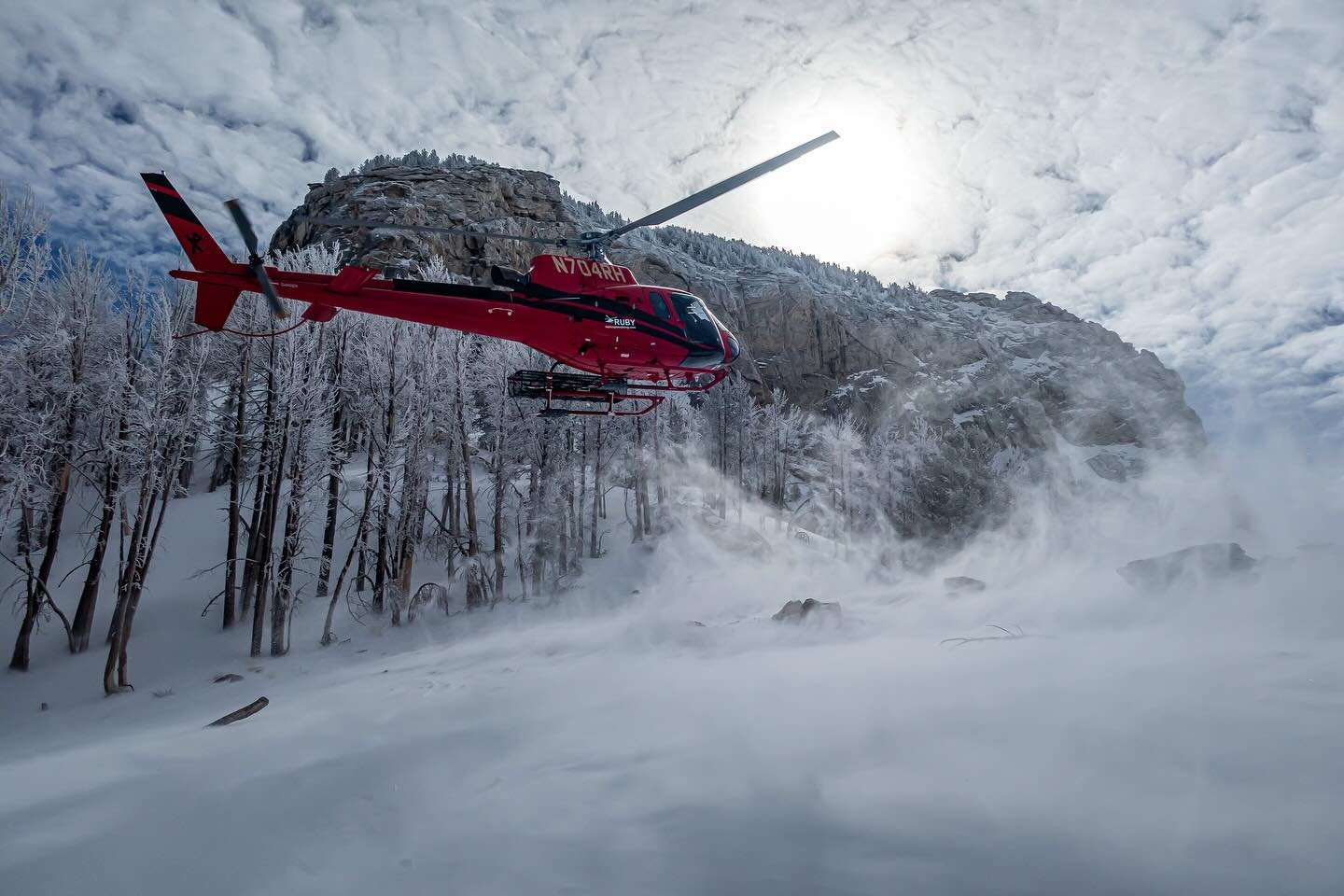
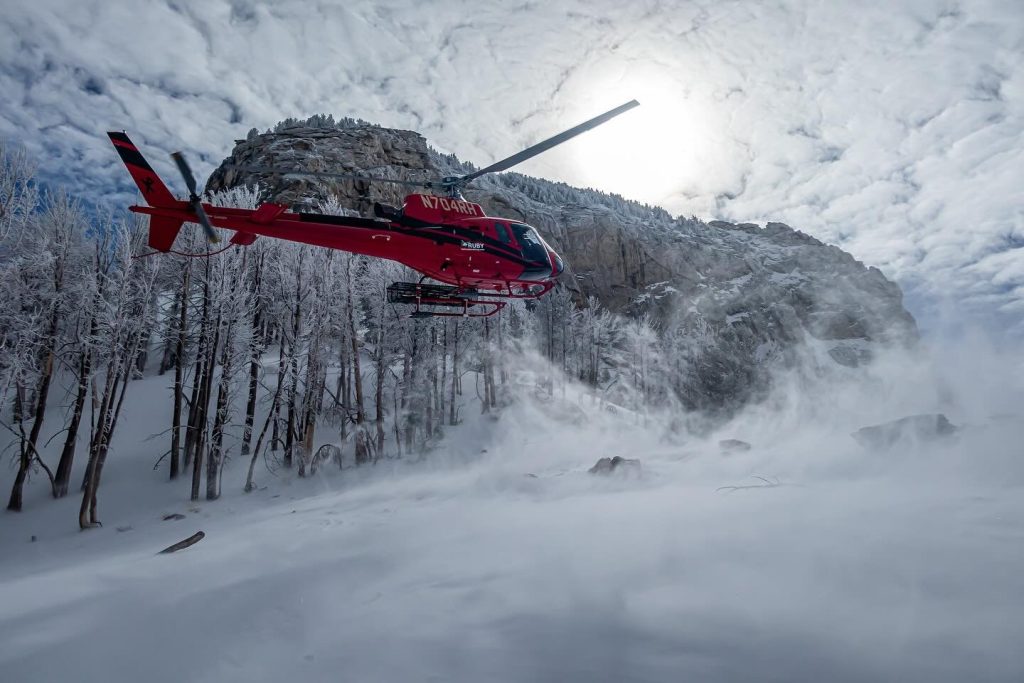
The helicopters used are typically high-altitude models capable of landing on mountain peaks, and you’ll usually ski in small groups of four to six skiers with one or two guides. This intimate group size ensures personalized attention and allows guides to select terrain appropriate for the group’s ability level. Lunch is often served on the mountain, either in a warming hut or at a scenic location where you can refuel while taking in spectacular views.
Safety Protocols and Avalanche Awareness
Safety is paramount in heli-skiing, and your first trip will include comprehensive avalanche safety training. You’ll be equipped with an avalanche transceiver, probe, and shovel, and guides will demonstrate how to use this equipment. Even if you’ve never used avalanche safety gear before, the professional guides will ensure you understand the basics before your first run.
The guides constantly assess snowpack stability and weather conditions, making decisions about which terrain to ski based on current avalanche danger. They’re certified professionals with intimate knowledge of the Ruby Mountains, and their expertise is your primary safety net. Don’t hesitate to ask questions or express concerns about terrain choices, as guides appreciate engaged clients who take safety seriously.
Weather and Conditions
Elko’s winter weather can be unpredictable, and your first heli-ski trip might involve waiting out storms or dealing with variable conditions. The season typically runs from late December through early April, with mid-winter offering the most consistent snowfall and coldest temperatures. Be prepared for wind, changing visibility, and temperatures that can range from surprisingly mild to well below zero.
Weather days, when flying isn’t possible, are part of heli-skiing. Most packages account for this with extra days built into the itinerary or refund policies for unused vertical. Use weather days to rest your legs, enjoy the amenities at your lodge, or explore the historic town of Elko.
Essential Gear and What to Pack
You’ll need your own skis or snowboard, though some operations offer rentals. Fat skis with generous rocker are ideal for deep powder, typically 100mm or wider underfoot. Pack layers for varying conditions, including a quality shell jacket and pants, insulated layers, and extra gloves and goggles. The helicopter’s downdraft creates wind, so secure any loose items before boarding.
Don’t forget items like hand and toe warmers, sunscreen, and lip balm. The sun’s intensity at high altitude, combined with reflection off snow, can cause severe sunburn. A small backpack for carrying extra layers, water, and snacks is also essential, as you’ll be responsible for your own equipment throughout the day.
Making the Most of Your Experience
Your first heli-ski trip in Elko will be memorable regardless, but a few strategies will enhance the experience. Listen carefully to your guides’ instructions about line choice and spacing. In powder skiing, following another skier’s track is often easier than breaking trail, but maintain proper spacing to avoid collisions and allow each skier to have their moment in untouched snow.
Take time between runs to appreciate where you are. The Ruby Mountains offer stunning vistas, wildlife sightings, and a sense of wilderness that’s increasingly rare. Photograph the experience, but remember that some moments are best experienced without a camera between you and the mountain.
The Bottom Line
Heli-skiing in Elko represents a significant investment of time and money, but for those who love skiing, it’s transformative. The combination of challenging terrain, reliable snow conditions, and the pure joy of accessing wilderness runs makes the Ruby Mountains a worthy destination for your first heli-ski adventure. With proper preparation, realistic expectations about weather and physical demands, and respect for the mountain environment, your first trip will likely become the first of many returns to this spectacular corner of Nevada.
Visit Elko today and learn more about the amazing experiences available.
Frequently Asked Questions
Do I need to be an expert skier to heli-ski in Elko?
Most operators require you to be an advanced to expert skier, comfortable navigating black diamond terrain and handling various snow conditions. You don’t necessarily need backcountry experience, as guides will provide instruction on powder techniques, but you should be confident on challenging resort runs. The key is having strong parallel skiing skills and the physical endurance to ski several thousand vertical feet continuously without the breaks that chairlift rides provide.
What happens if the weather prevents us from flying?
Weather delays are a normal part of heli-skiing, and reputable operators build flexibility into their schedules. Most packages include buffer days or offer refunds or credits for unused vertical feet. When conditions ground the helicopters, you can use the time to rest, explore Elko, or enjoy your lodge’s amenities. Some operators may offer alternative activities like snowmobiling or access to nearby resorts. It’s important to build extra days into your travel plans if possible, so weather delays don’t cause you to miss flights home.
Is heli-skiing dangerous, and what safety measures are in place?
While heli-skiing involves inherent risks associated with backcountry skiing and avalanche terrain, professional operations prioritize safety extensively. You’ll receive comprehensive avalanche safety training and be equipped with transceivers, probes, and shovels. Certified guides continuously assess snow stability, weather conditions, and terrain choices, and they have years of experience in the Ruby Mountains specifically. Groups are kept small for better management, and guides select runs appropriate for current conditions and group ability. The key is following your guides’ instructions carefully and communicating openly about your comfort level with the chosen terrain.
What’s the best time of season to plan my first Elko heli-ski trip?
The heli-ski season in Elko typically runs from late December through early April. Mid-winter (January through February) generally offers the most consistent snowfall and the coldest temperatures that produce excellent powder quality, though these months can also bring more storm cycles. March often provides a good balance of accumulated snowpack, improving weather stability, and still-cold temperatures at altitude. For your first trip, consider late January through mid-March, when snow conditions are typically most reliable and you’ll have enough daylight to maximize your skiing time.